
2025 OMSCS Annual Report
(text and background only visible when logged in)

(text and background only visible when logged in)
2025 Stats
(text and background only visible when logged in)
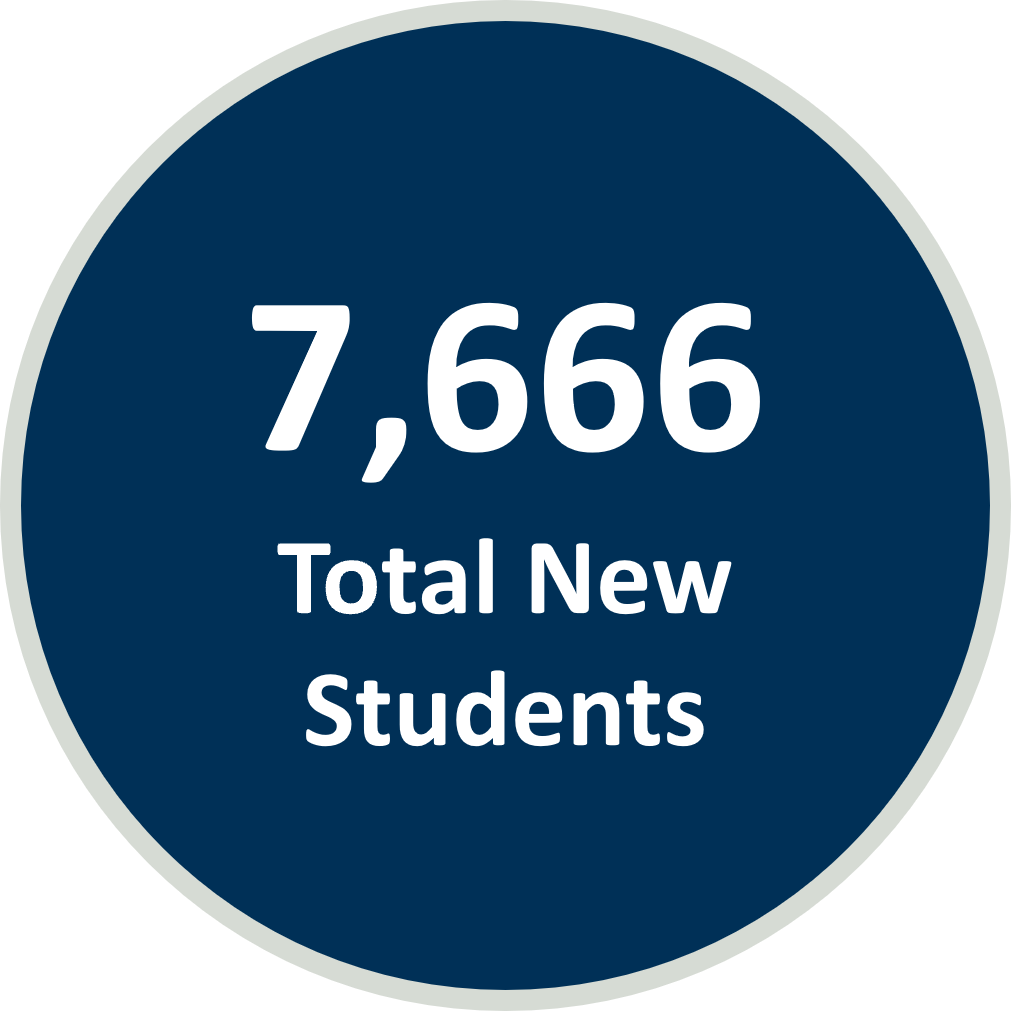
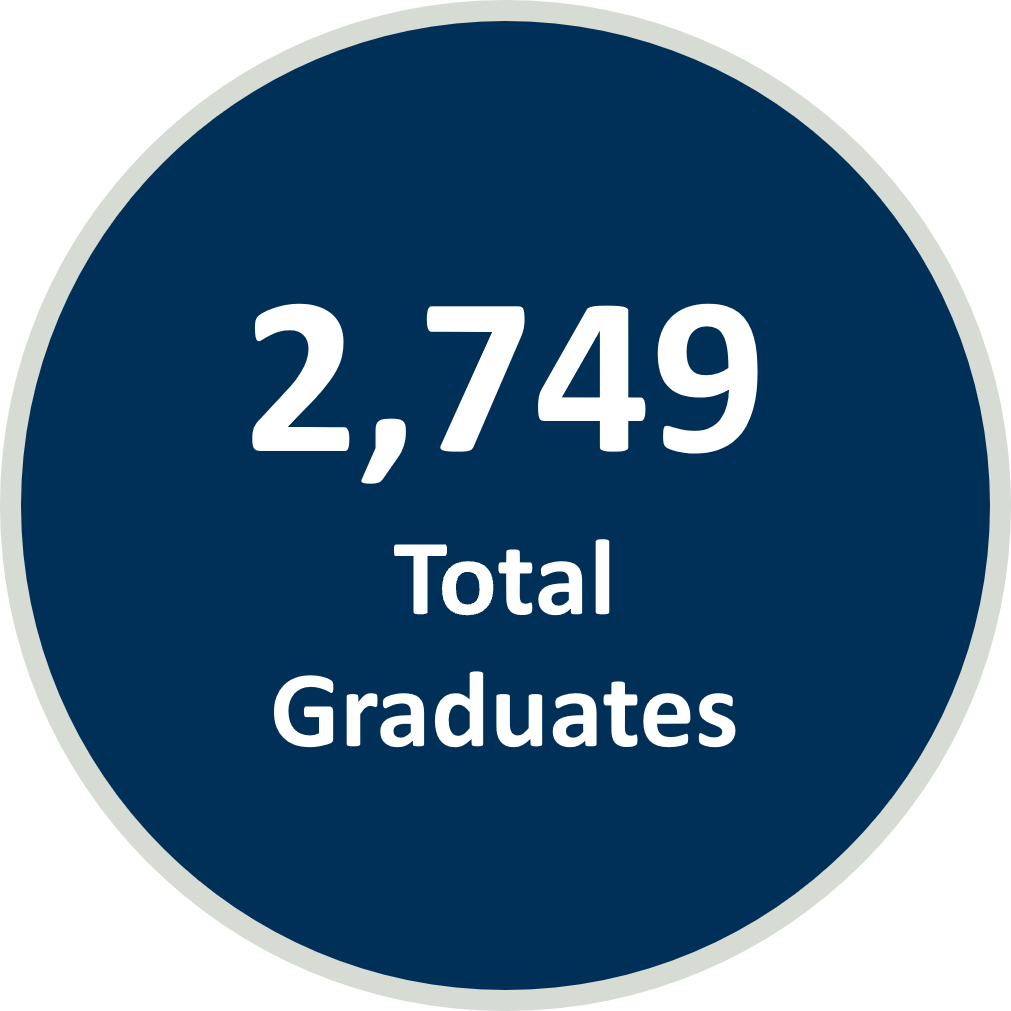
(text and background only visible when logged in)
(text and background only visible when logged in)

(text and background only visible when logged in)
Fall 2025 Enrollment Stats
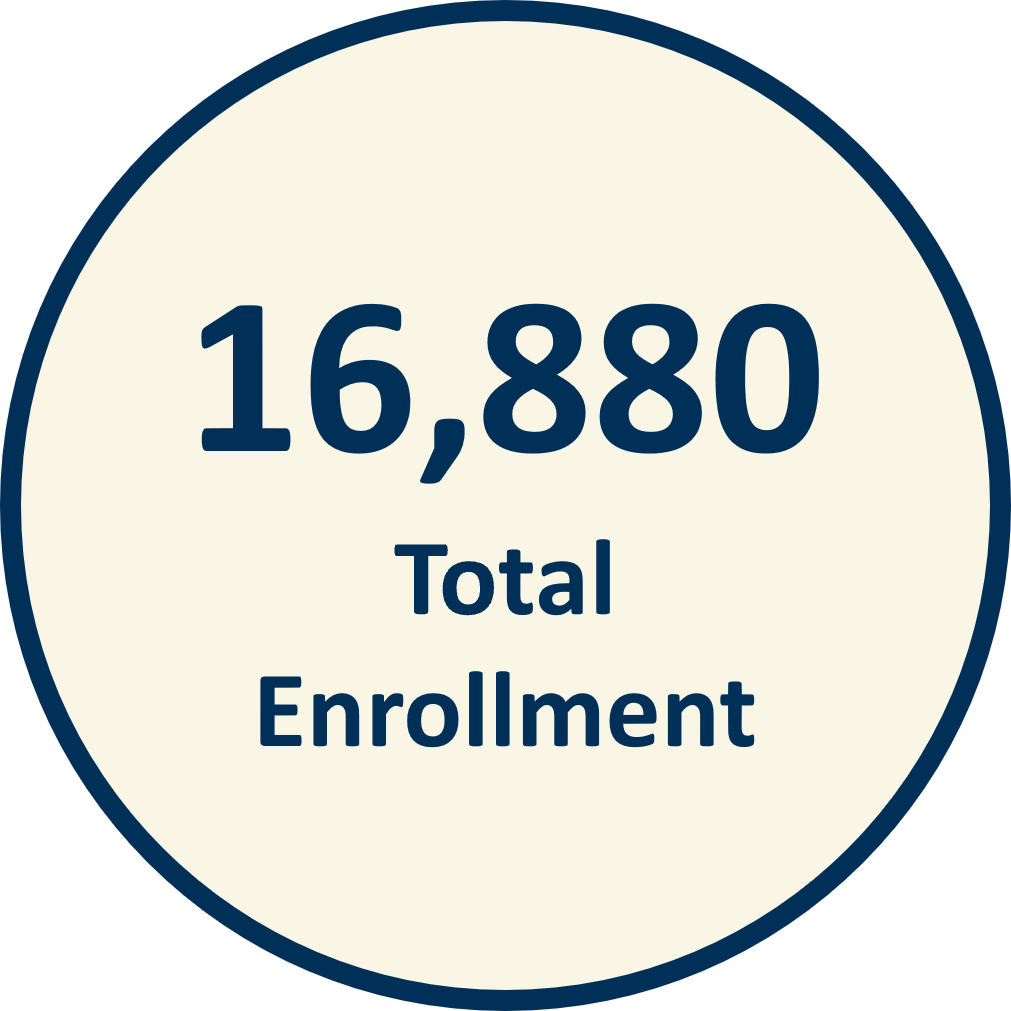
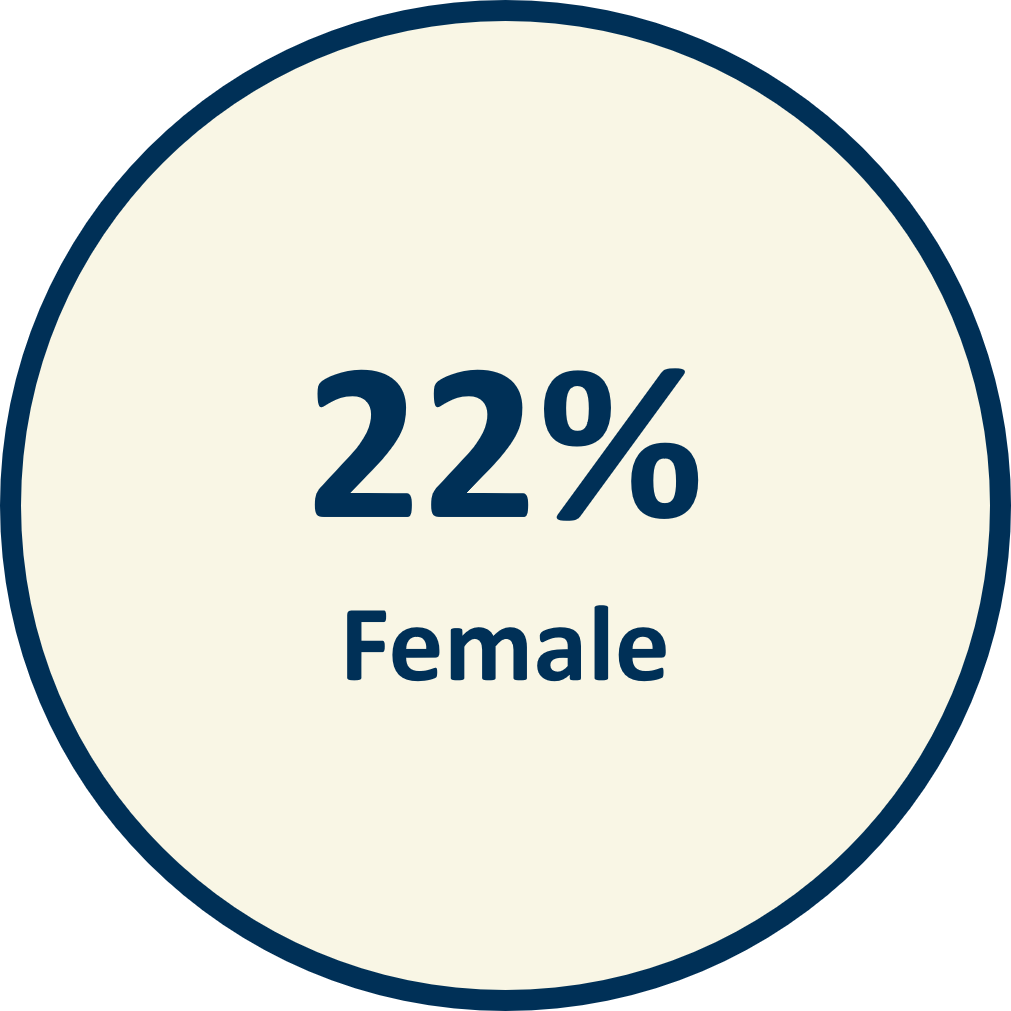
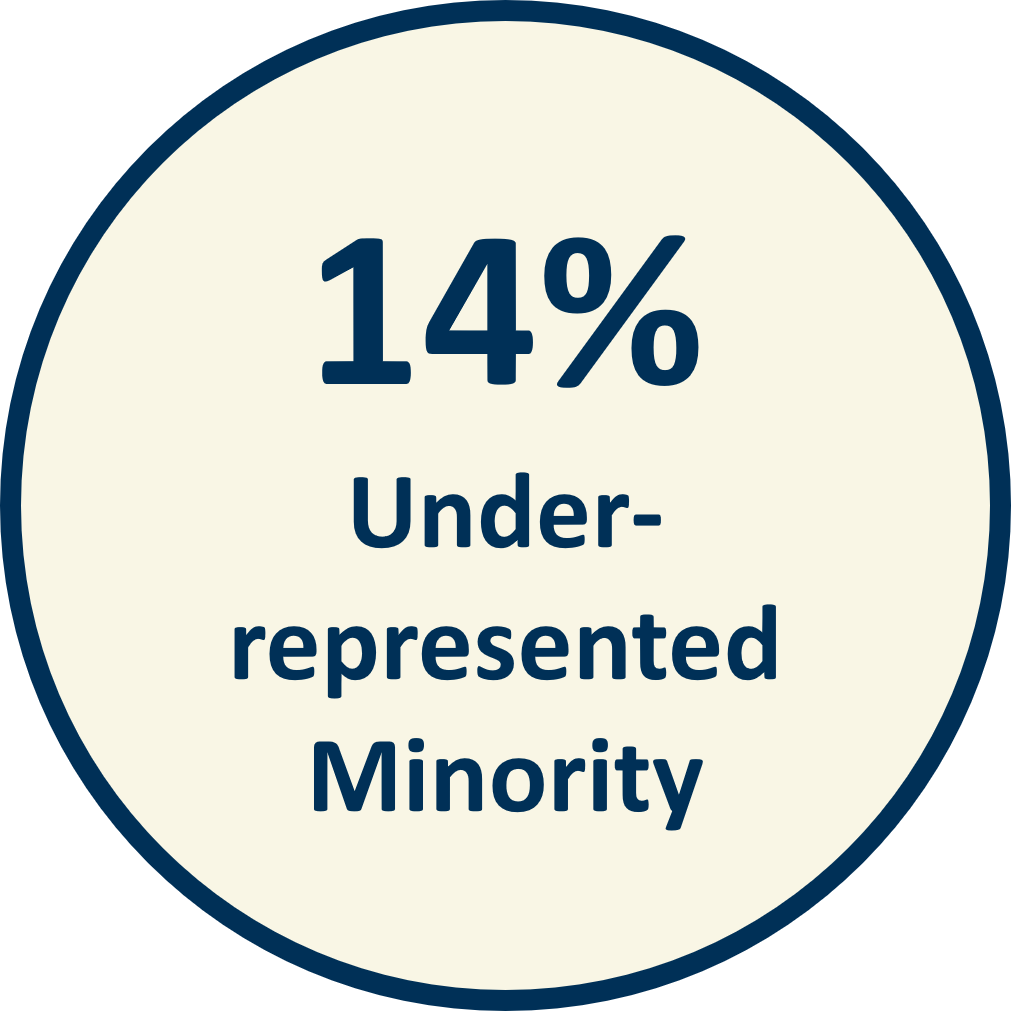
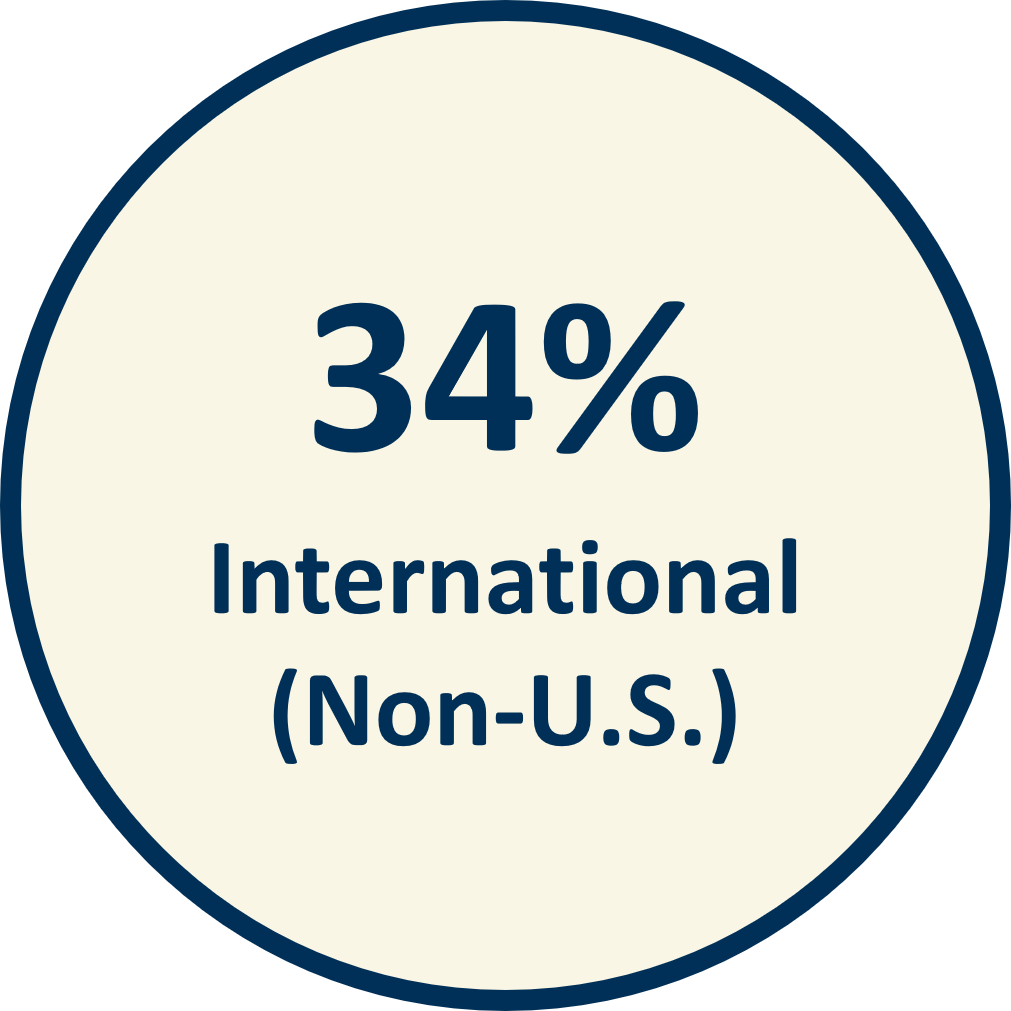
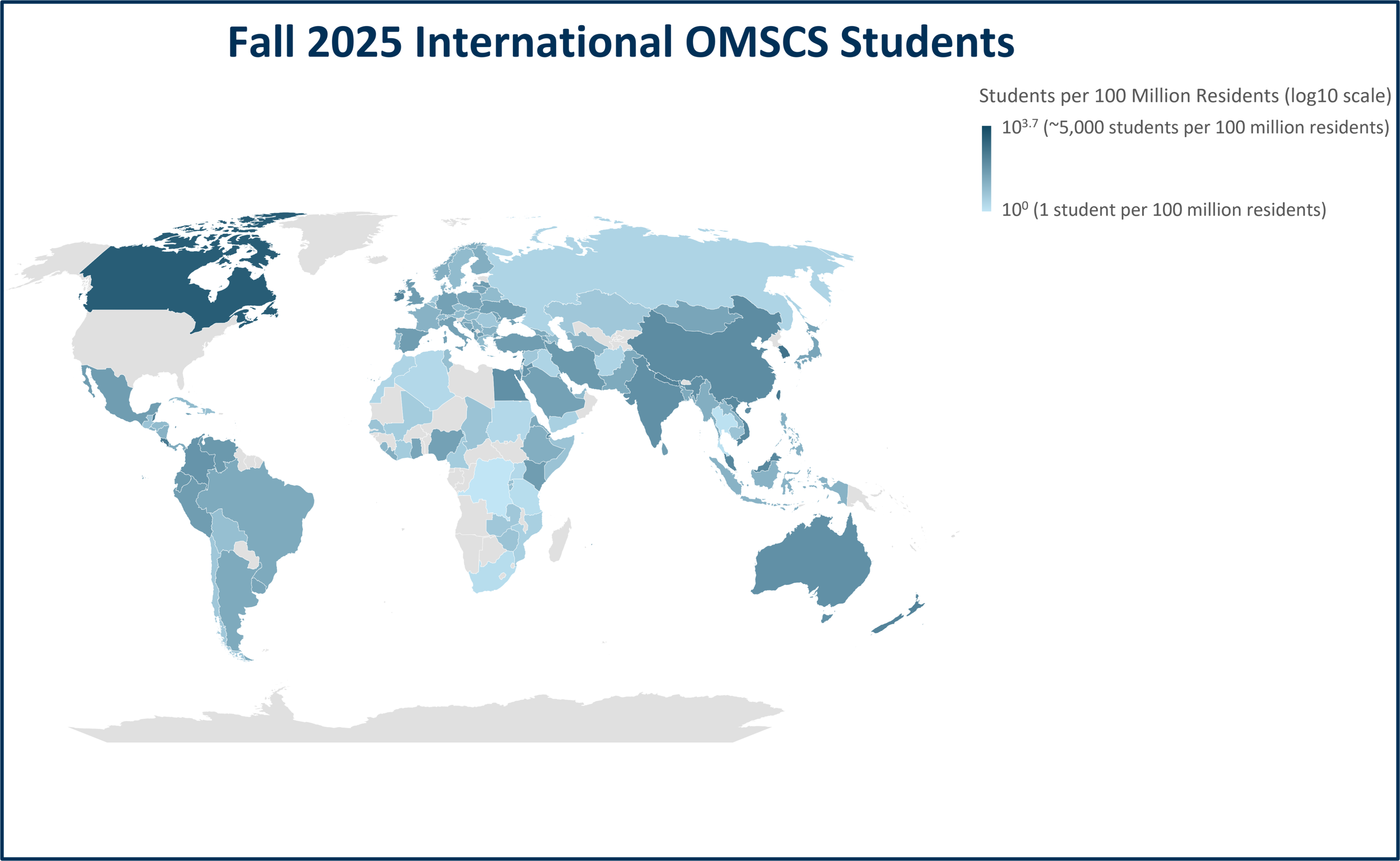
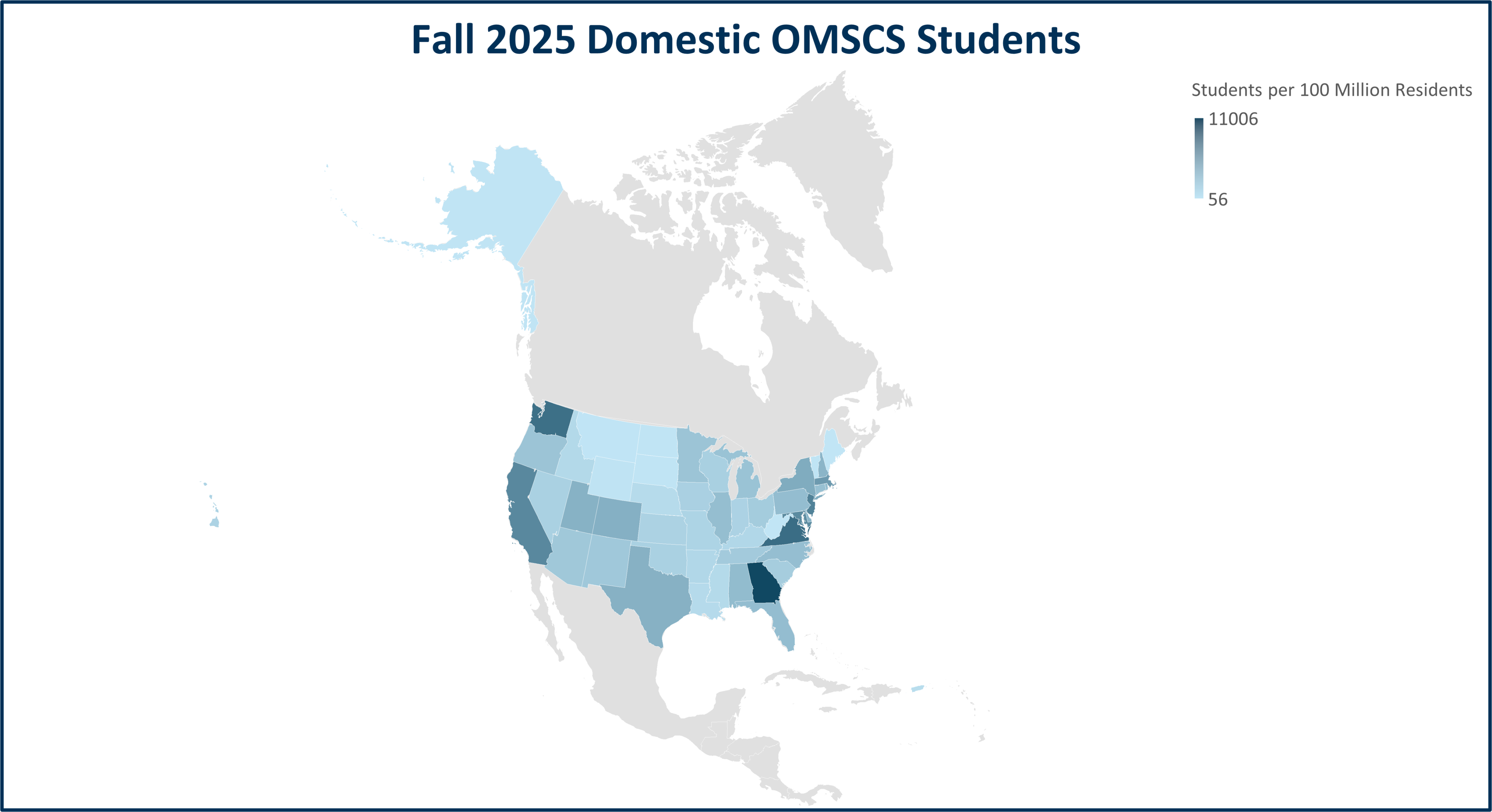
(text and background only visible when logged in)

(text and background only visible when logged in)
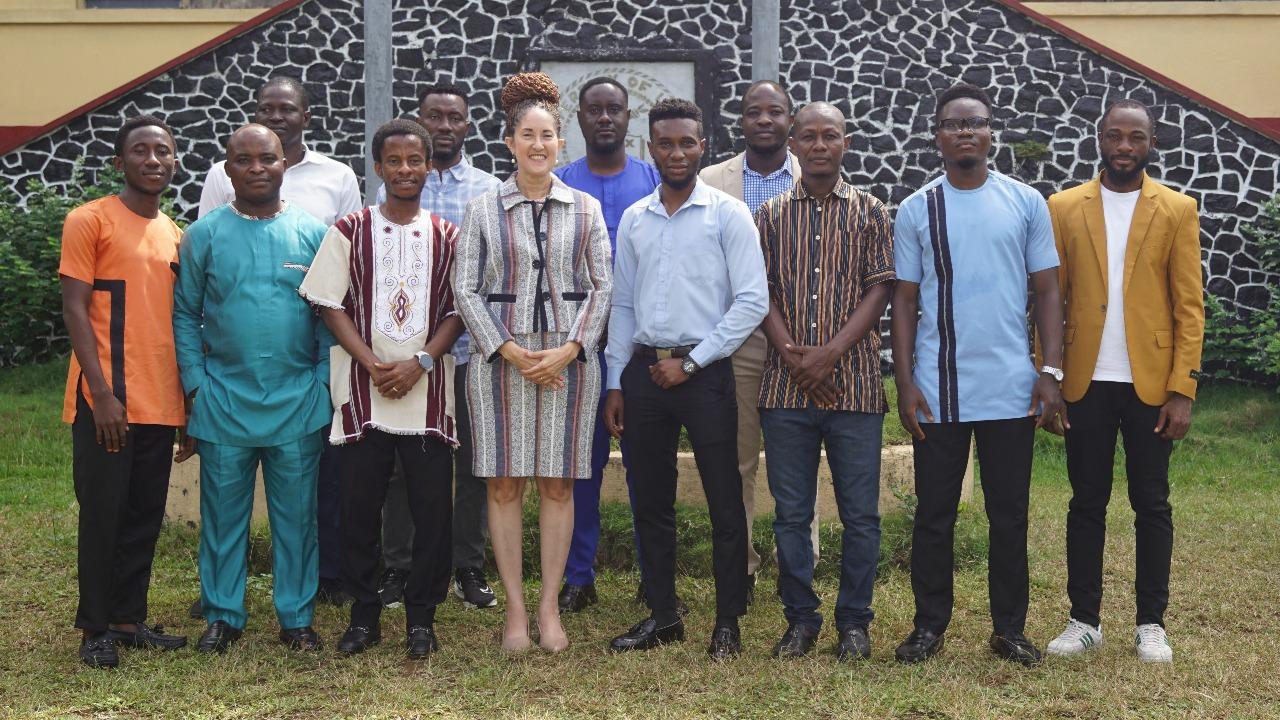
Liberia Fellowship Program
In Fall 2025, 12 faculty and staff from the University of Liberia began their first semester of OMSCS classes as the inaugural cohort of a new groundbreaking fellowship program. The Liberia Fellowship program launched after a 2023 campus visit by Liberian President Joseph Boakai, during which Georgia Tech committed to provide full funding for scholars from the University of Liberia to enroll in the OMSCS program. This comprehensive financial award is the first of its kind for the OMSCS program, representing a commitment to broadening access to computer science education in Liberia and across the African continent.
Thanks to the introduction of the fellowship program, Liberia has grown significantly in representation within OMSCS. Before the fellowship, Liberia had no students enrolled in the program. OMSCS is delighted by the early growth and success of the fellowship program and looks forward to continued collaboration between Georgia Tech and Liberian institutions.
Read more about the Liberia Fellowship program in this article.
(text and background only visible when logged in)

(text and background only visible when logged in)
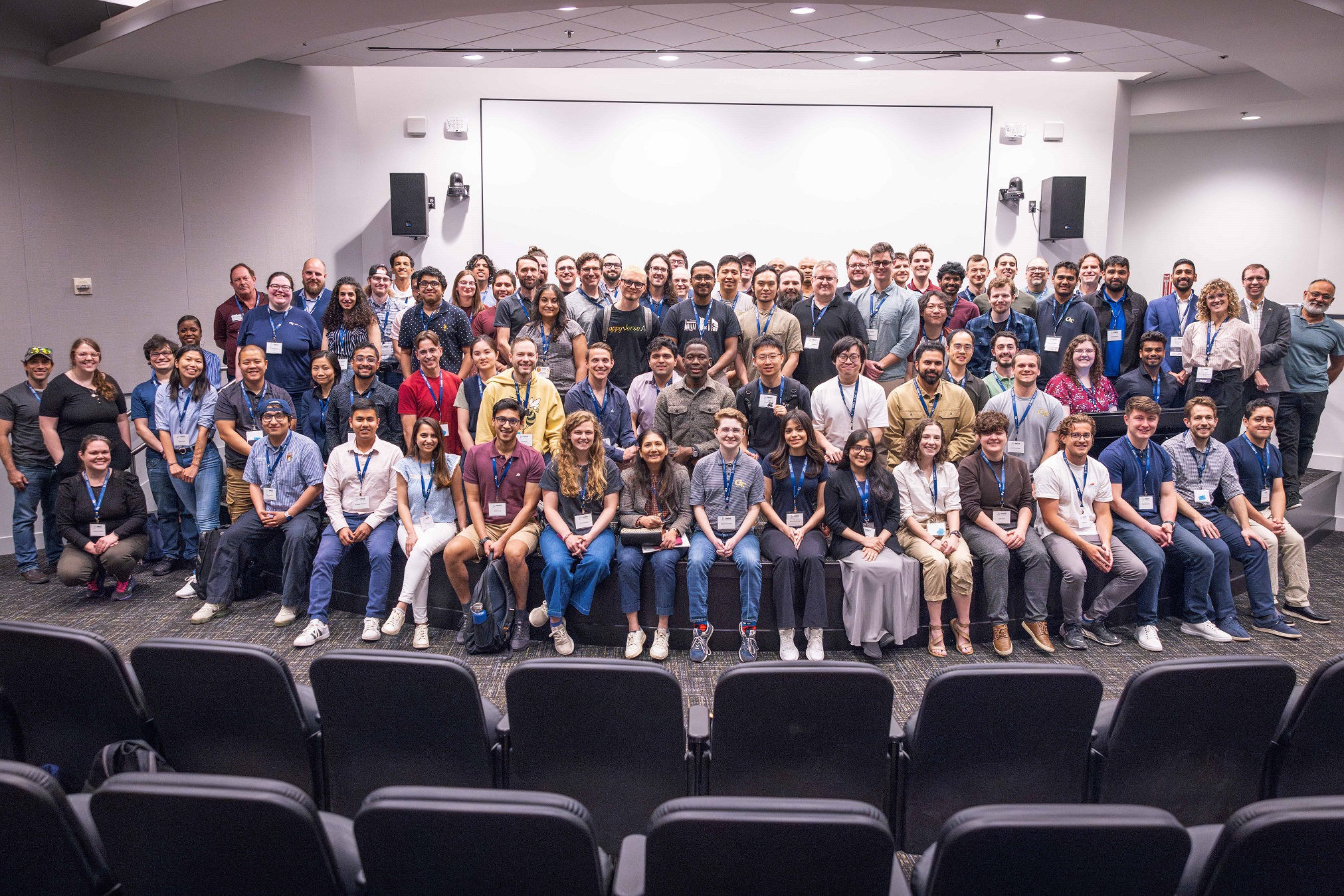
OMSCS Conference
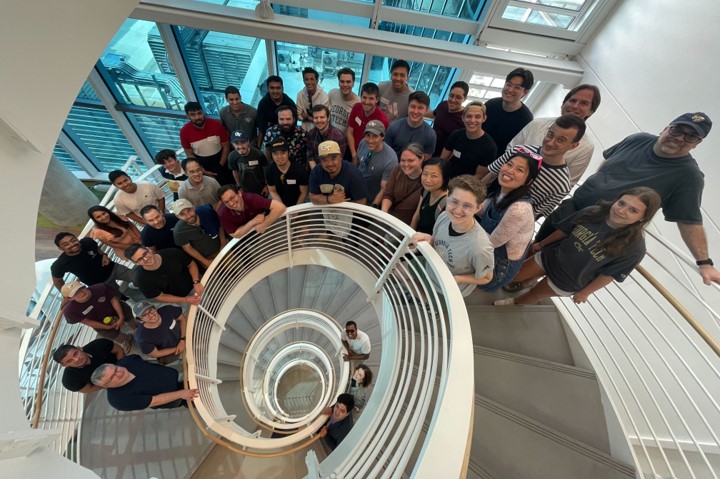
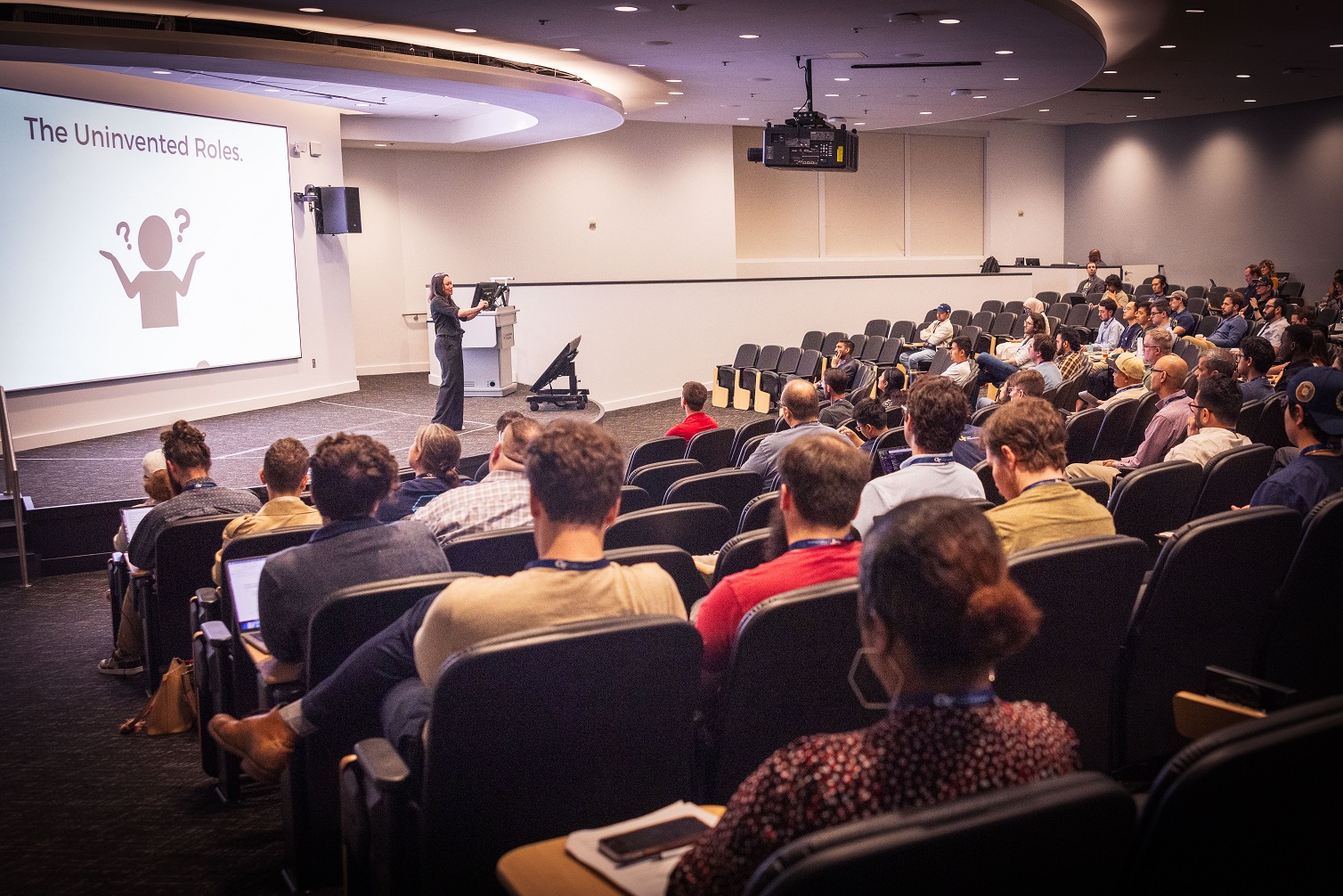
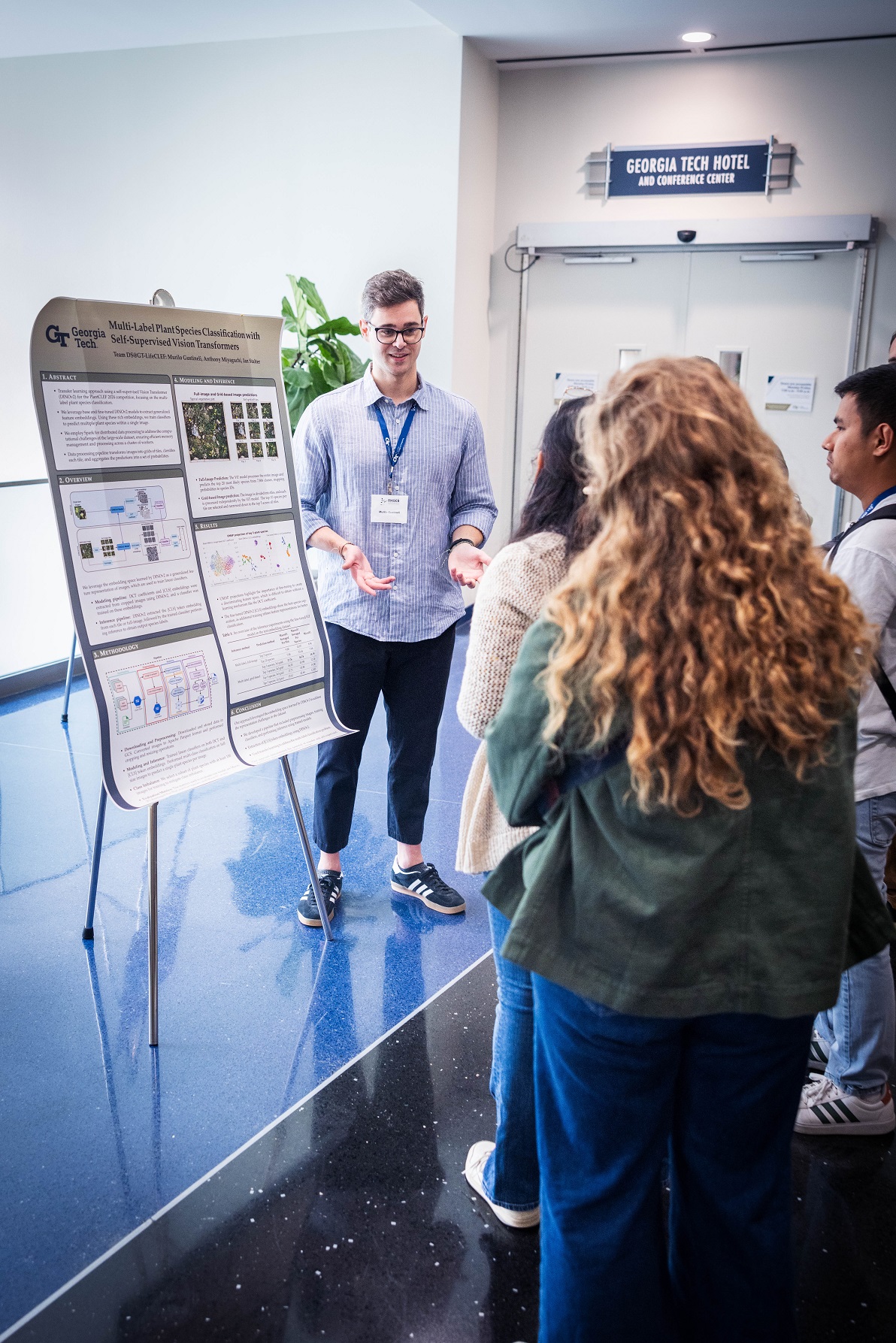
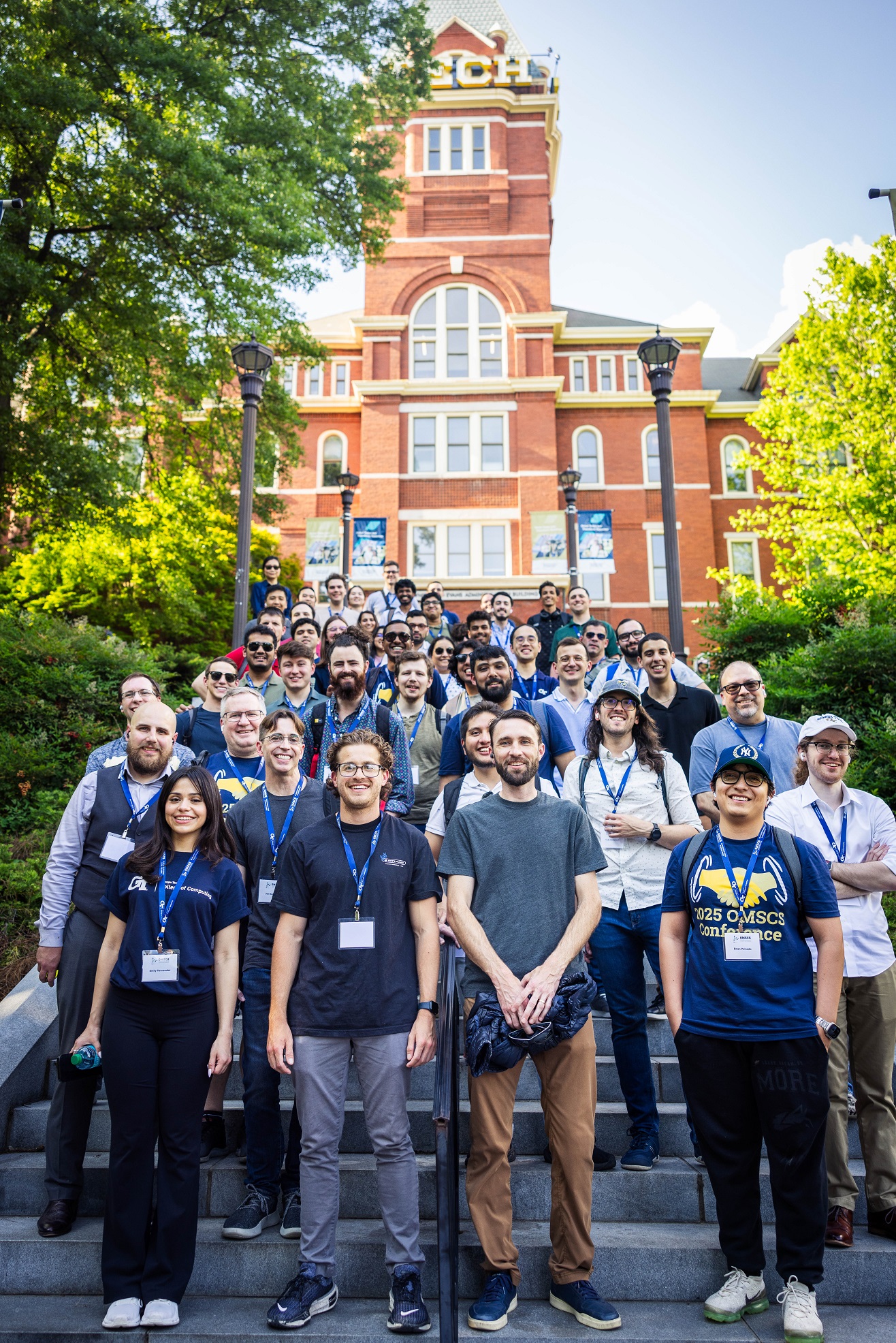
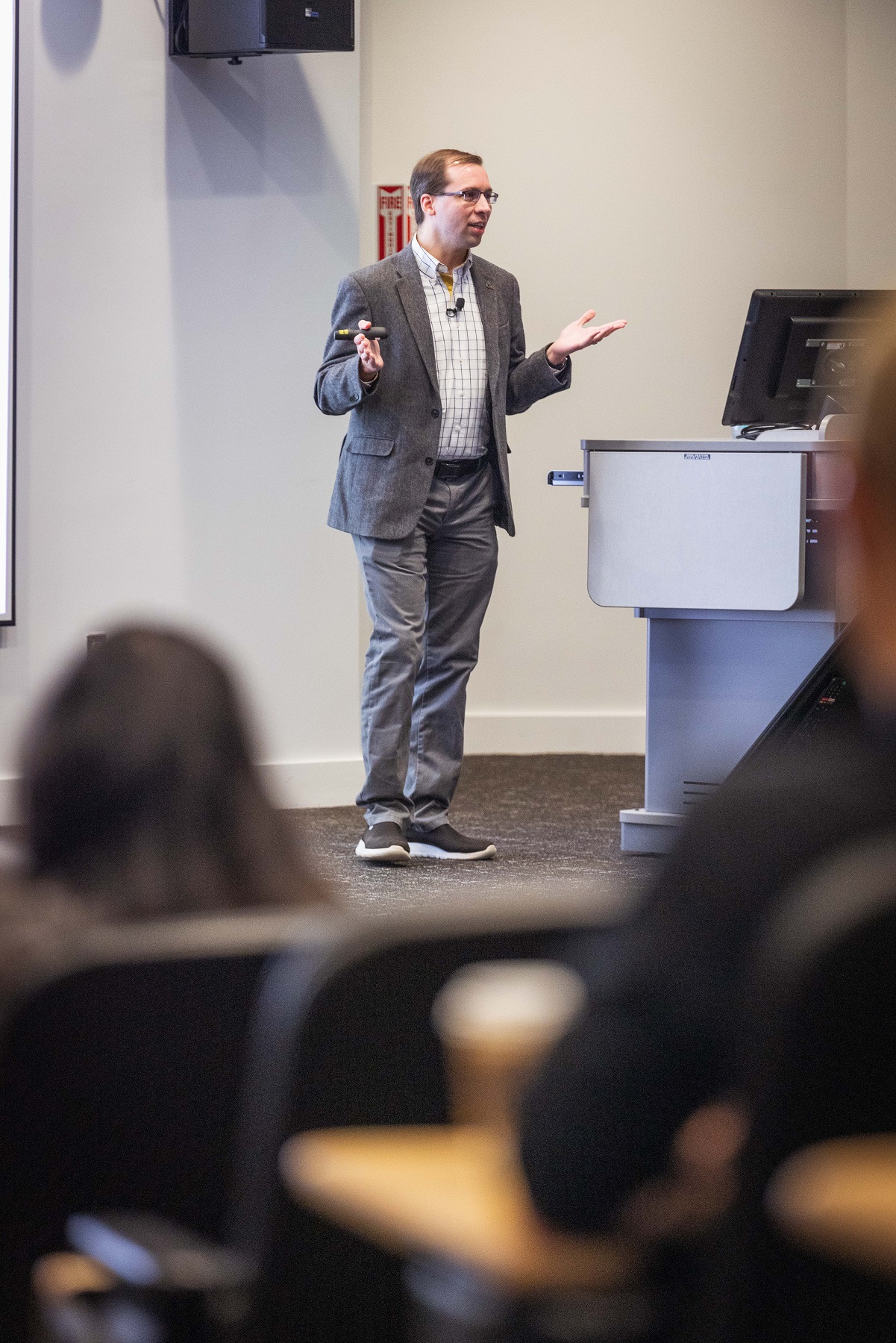
The 2025 OMSCS Conference was held on April 28-29 at the Global Learning Center. As always, the conference featured engaging presentations from OMSCS students and alumni, a Resource Fair, an evening reception, and a campus tour. We were particularly happy to welcome Kathy Pham as our keynote speaker, as well as OMSCS instructor Irfan Essa, who showcased his work with generative AI. OMSCS Executive Director David Joyner kicked off the program with his "State of OMSCS Address", and he closed things out with a tour of Georgia Tech's campus. Additionally, attendees were invited to a Georgia Tech baseball game, dinner, and a tour of the CODA building the day before the conference for a little extra socializing.
145 people registered to attend the conference in person (many traveling from outside the U.S. to attend!), and 89 registered to attend virtually. The 2025 conference featured improvements to the 2024 conference, including the first keynote speaker external to OMSCS (Kathy Pham), the first conference sponsor (Stryker), a newly added poster session, and social activities the day before the conference. Click here to read the conference recap.
(text and background only visible when logged in)

(text and background only visible when logged in)
BuzzMe
In Fall 2025, OMSCS launched BuzzMe, a new app designed to allow researchers to post projects they are working on, and to allow students to apply to work on those research projects. BuzzMe streamlines the process of connecting students who are looking for research experience with researchers who are in need of assistants, dovetailing with OMSCS's initiative to provide research experience to students. BuzzMe will also allow students and alumni to apply for teaching assistant positions in OMS courses, replacing the previous TA Application and simplifying the process for students, alumni, instructors, and hiring coordinators.
(text and background only visible when logged in)

(text and background only visible when logged in)
Courses
OMSCS introduced 4 new courses in 2025!

CS 6422: Database System Implementation
This course offers a hands-on dive into designing and implementing relational database management systems.
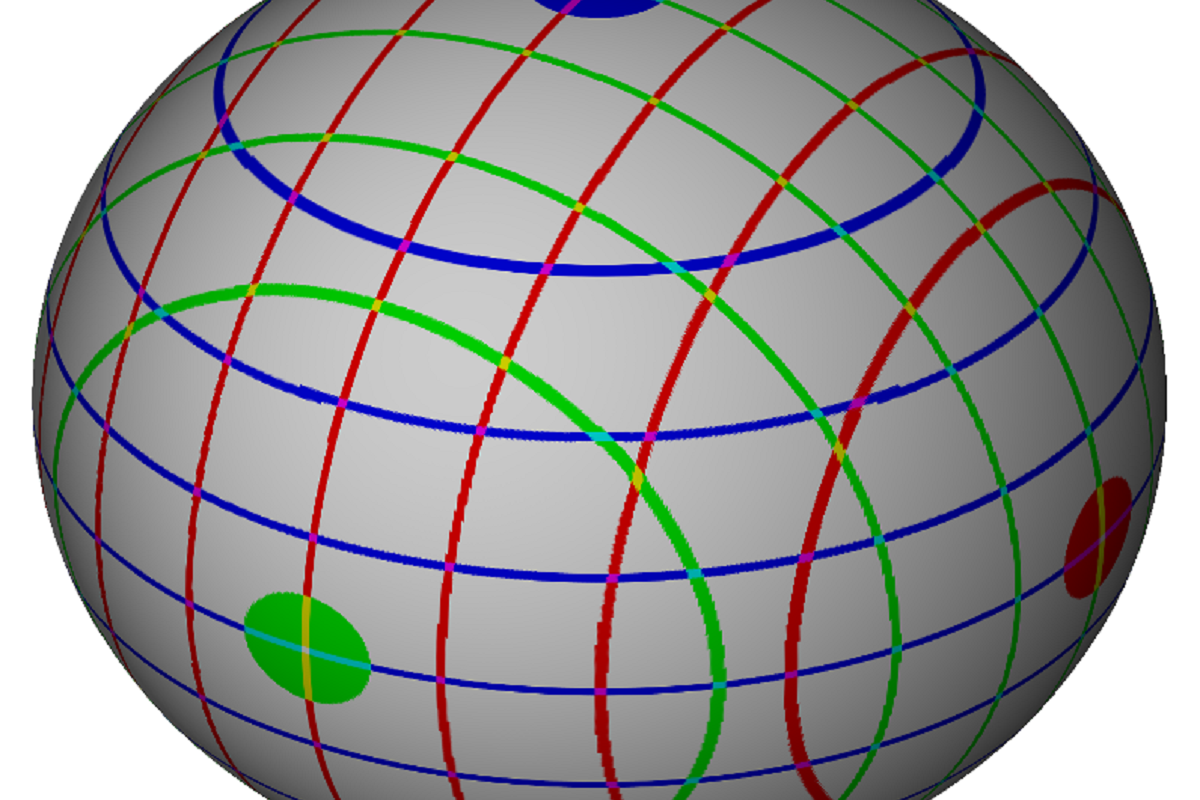
CS 6491: Foundations of Computer Graphics
This course explores the mathematical, physical, and perceptual principles behind computer graphics, focusing on techniques for creating, representing, and displaying three dimensional shapes and their properties.

CS 7496: Computer Animation
This course aims to understand the basic principles behind modern kinematic and physics-based animation techniques.

CS 8803 O20: Quantum Hardware
The goal of this course is to provide CS students with a fundamental background in the hardware aspects of quantum computing and to equip them with the skills needed to work on hardware and software systems that implement and support the next generation of quantum devices.
(text and background only visible when logged in)

(text and background only visible when logged in)
Seminars
2025 saw a handful of new Seminar offerings in OMSCS, as well as the transition to hosting these seminars under Georgia Tech Professional Education!
| COMP 1004P: Writing Research Workshop | This seminar is intended to provide a supportive space for students who are in the writing stage of a research project with the intention of submitting to a conference or journal. |
| COMP 1006P: Collaborative Team Skills for Software Development | This seminar provides a research-driven perspective on the practical aspects of team collaboration. |
| COMP 1007P: Agentic AI Essentials | This seminar provides students with hands-on experience in prompt engineering, large language models (LLMs), retrieval-augmented generation (RAG), and ReAct (Reasoning and Acting) frameworks to build interactive, scalable AI solutions using pre-trained models. |
| COMP 1012P: Deep Learning and Generative AI Essentials | This seminar offers an intuitive, hands-on introduction to the foundational concepts of deep learning and generative AI, emphasizing practical understanding over heavy mathematical theory. |
| COMP 1015P: Global Entrepreneurship—Launch | Building on the foundation of CS 8803-O17: Global Entrepreneurship, this advanced seminar empowers students to transform their entrepreneurial concepts into viable startup ventures. |
| COMP 1016P: The Impact of Computing at Scale with Design, Operation, and Societal Impacts of Data Centers | This seminar explores how modern data centers are designed, operated and embedded in broader societal and environmental systems. |
| COMP 1017P: Developing Mobile Apps for Well-Being | This seminar covers key concepts for developing mobile applications to promote individuals' well-being. |
| COMP 1018P: Understanding Animal Communication and Behavior with Artificial Intelligence | This seminar covers an intro into animal communication, custom computer systems for field research, and applied artificial intelligence, all presented through the lens of active research projects. |
| COMP 1019P: Machine Learning for Sensor-Based Human Activity Recognition: A Research Perspective | This seminar explores how machine learning can be applied to address the challenge of human activity recognition (HAR) and covers the HAR pipeline, recent advances in HAR, and the challenges of multimodality in HAR. |
| COMP 1020P: Introduction to LLM Inference Serving Systems | This seminar provides a view of the significant topics in the research about the systems for LLM inference. |
| CS 8001 OAS: AI for Science | This seminar offers a comprehensive exploration of how artificial intelligence (AI) is transforming scientific and engineering domains—from physics and chemistry to biology, environmental science, urban systems, GIS, and mechanical engineering. |
| CS 8001 OFL: Federated and Machine Learning Operations | This seminar explores the principles of federated learning and its integration with Machine Learning Operations (MLOps). |
| CS 8001 OMA: Multi-Agent Systems and Collaborative Intelligence | This advanced graduate seminar explores the theoretical foundations, computational frameworks, and emerging paradigms of multi-agent systems (MAS) and collaborative artificial intelligence. |
| CS 8001 ONC: Online Communities | This seminar covers identity and behavior in online communities. |
| CS 8001 OTM: TinyML and Edge AI for Vision | This graduate-level seminar explores the emerging field of TinyML and Edge AI, with a specific focus on computer vision applications deployed on resource-constrained devices. |
| CS 8001 OUX: UX Design Principles with a Focus on Virtual Reality | This interdisciplinary seminar offers an in-depth exploration of one of today’s most dynamic fields: user experience (UX) design, with a specific focus on virtual reality (VR). |
| CS 8001 OWS: Wearable Sensor-Based Analysis of Activities and Well-Being | This seminar explores how activities are automatically recognized in today’s wearable devices, a class of methods known as self-supervised learning, and how wearable data is used to analyze health and well-being across a range of conditions, from respiratory illnesses to stroke rehabilitation. |
(text and background only visible when logged in)

(text and background only visible when logged in)
Project Showcase
Every Fall and Spring semester, OMSCS runs a project showcase where students get to show off the incredible work they've done in their courses. Students vote on which project(s) should receive the Students' Choice Award (there was a three-way tie for this award in Fall 2025!); in addition, the OMSCS staff vote on which project(s) should receive the Staff Choice Award. The 2025 winners included projects focused on transitioning from OMSCS to a Ph.D., music composition for children, gesture-based computer interaction, refrigerator management, and LLM interpretability! Congratulations to the 2025 winners!
(text and background only visible when logged in)
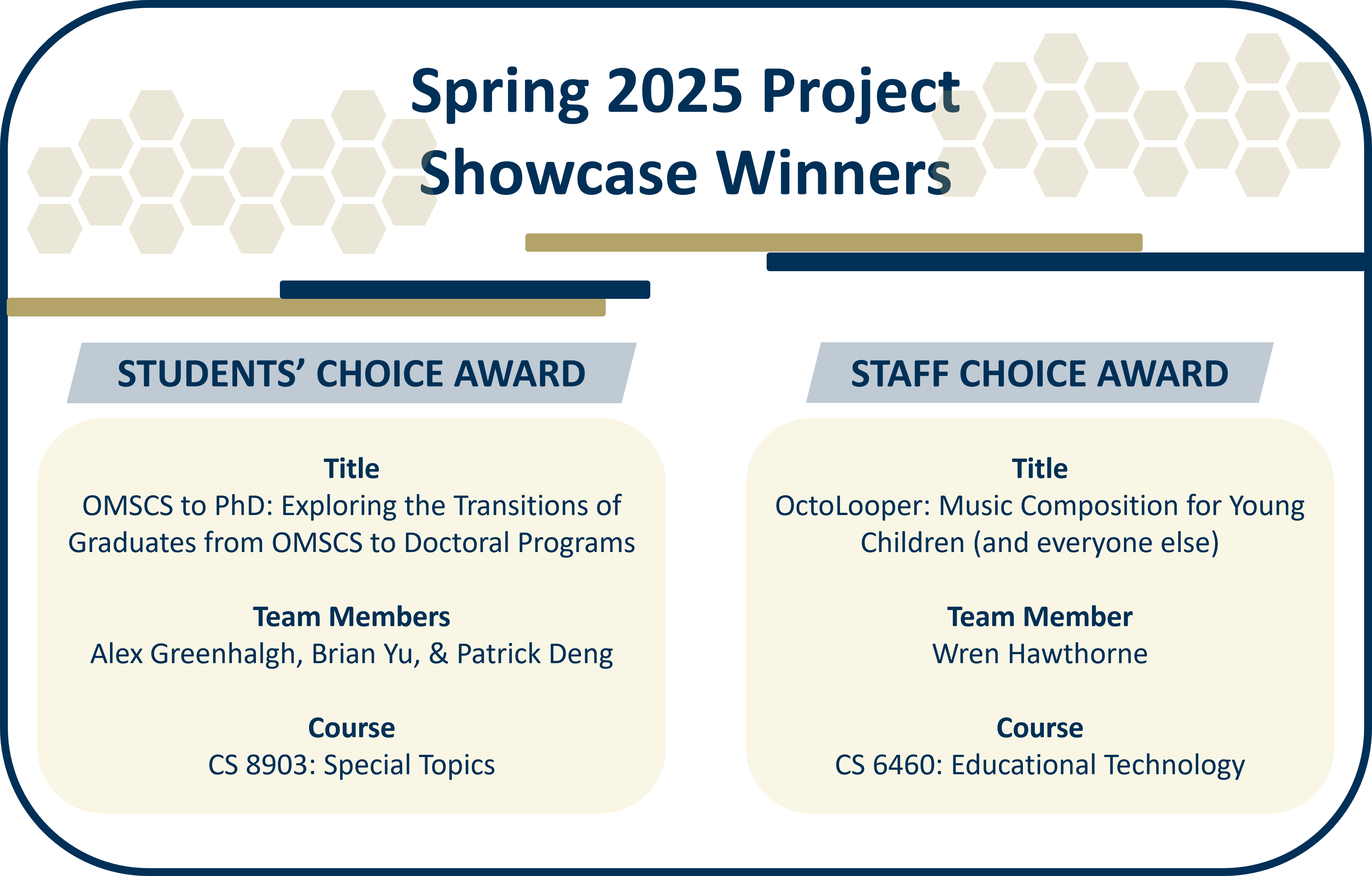
(text and background only visible when logged in)
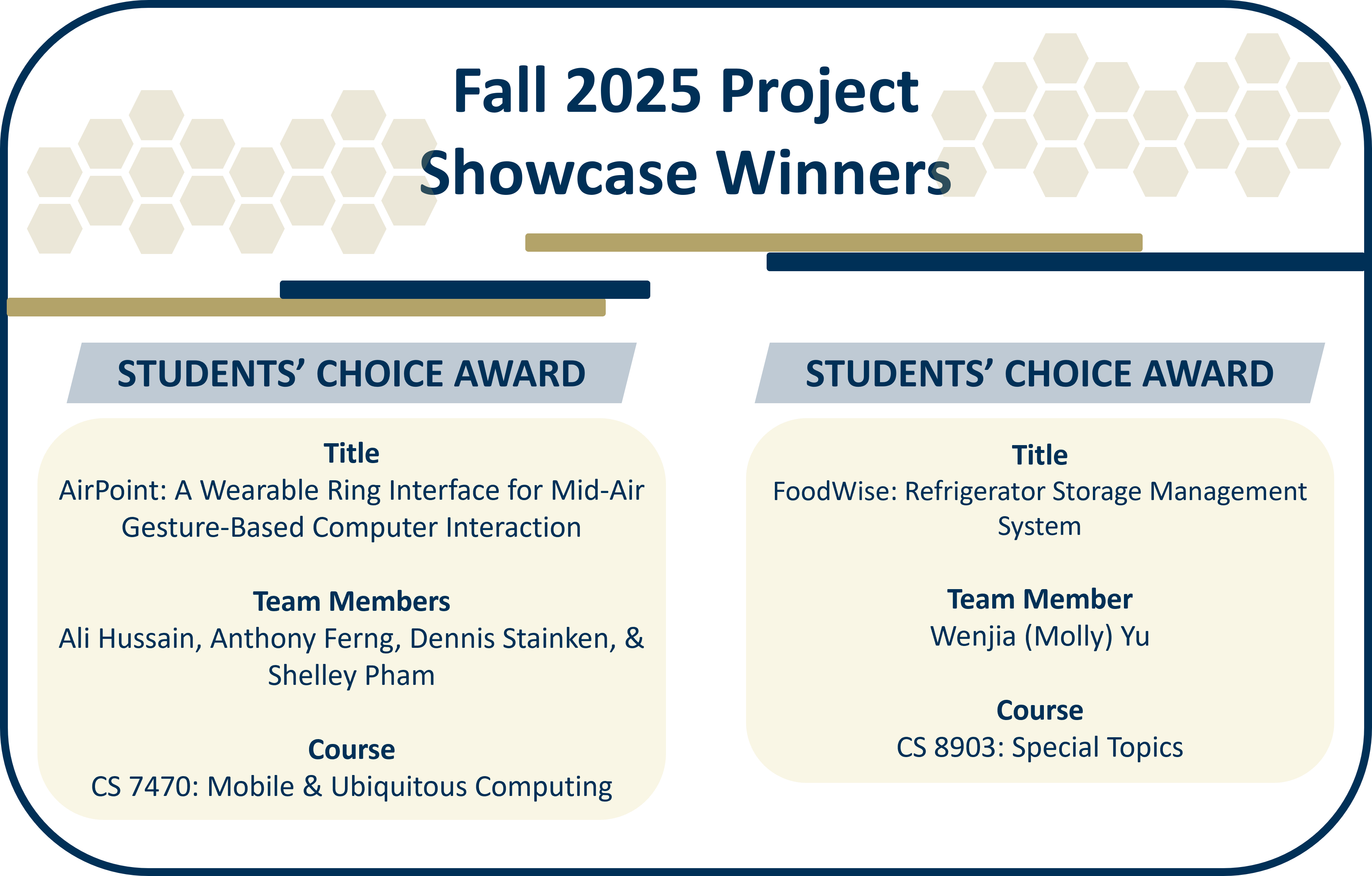
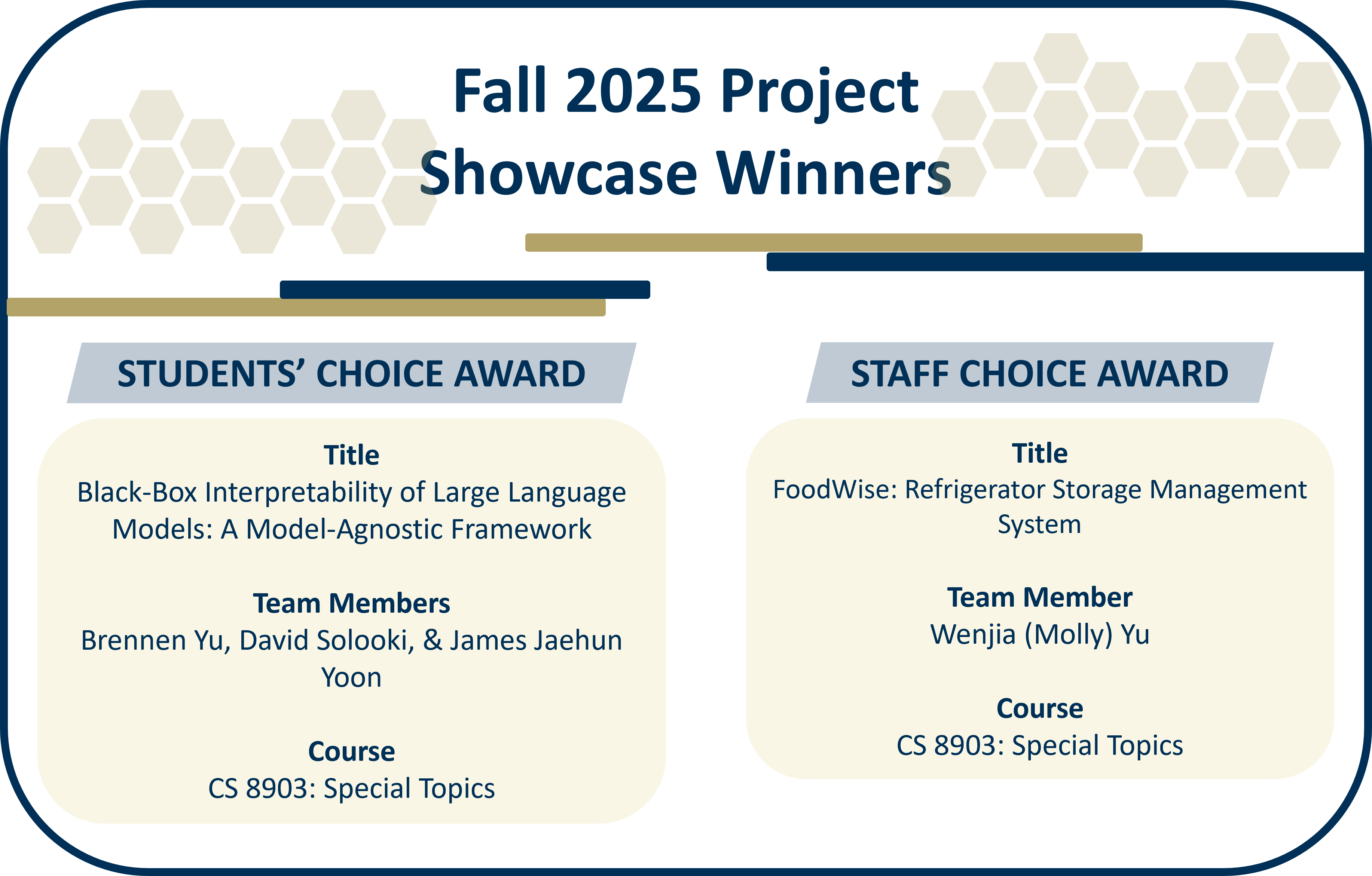
(text and background only visible when logged in)

(text and background only visible when logged in)
Student Life
From new Local Meetup Groups (LMGs) to the debut of the OMSCS Speaker Series, OMSCS continued to expand its student life offerings in 2025. Check out some of the student life highlights below.
Local Meetup Groups
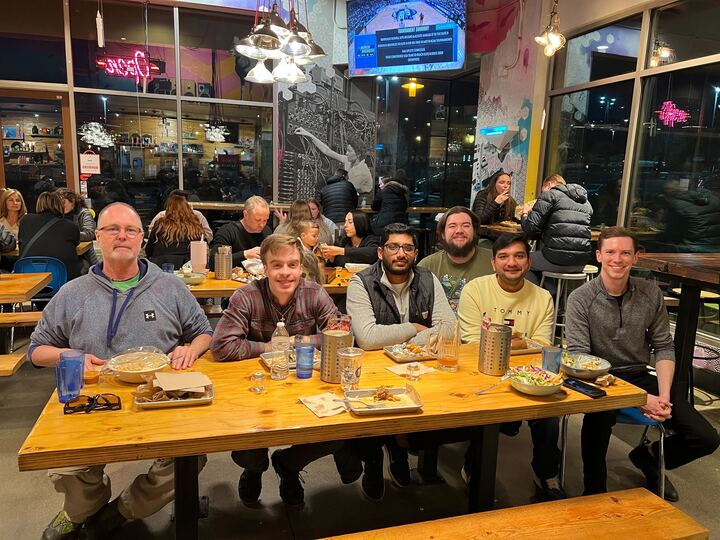
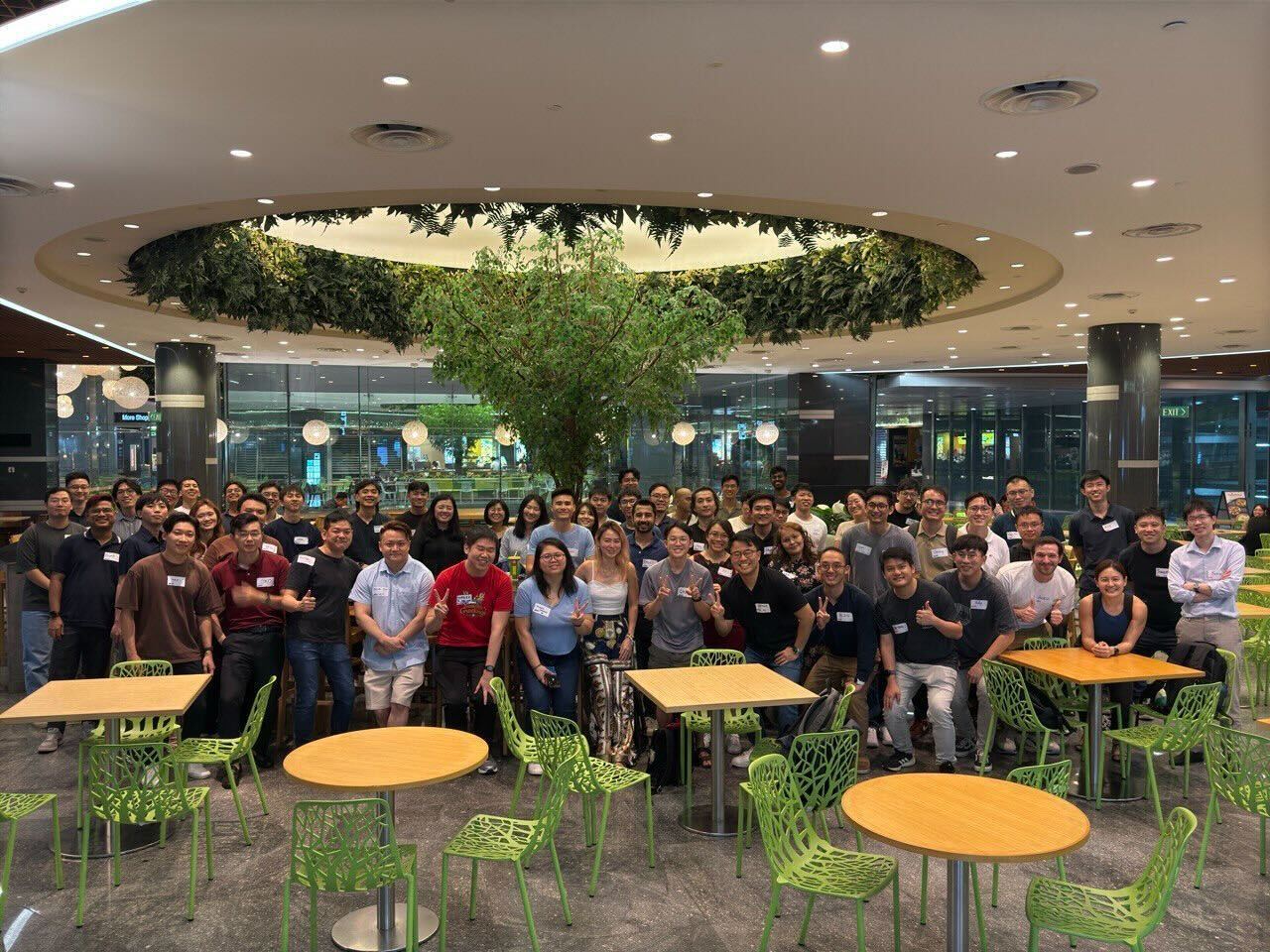
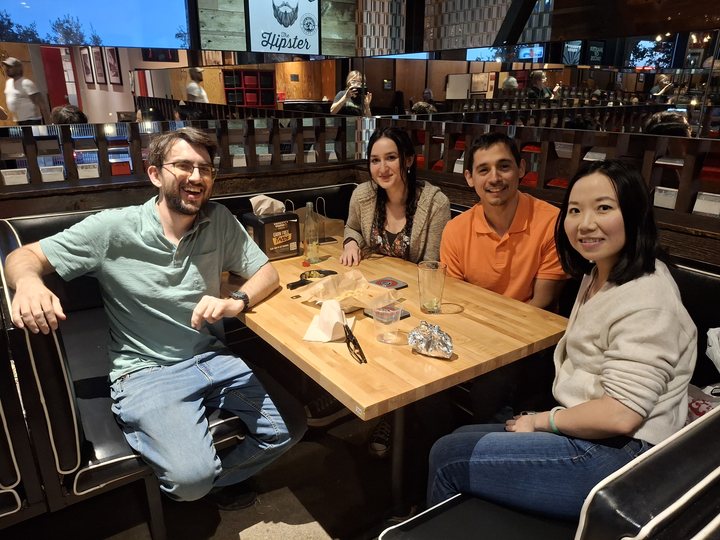
Local Meetup Groups (LMGs) are a way for students and alumni around the world to connect with others in the OMSCS community who live in their area. Five new LMGs debuted in 2025—Tokyo, Hyderabad, Chattanooga, Mumbai, and Raleigh/Durham/Chapel Hill—bringing the total number of LMGs up to 58!
Atlanta, Georgia
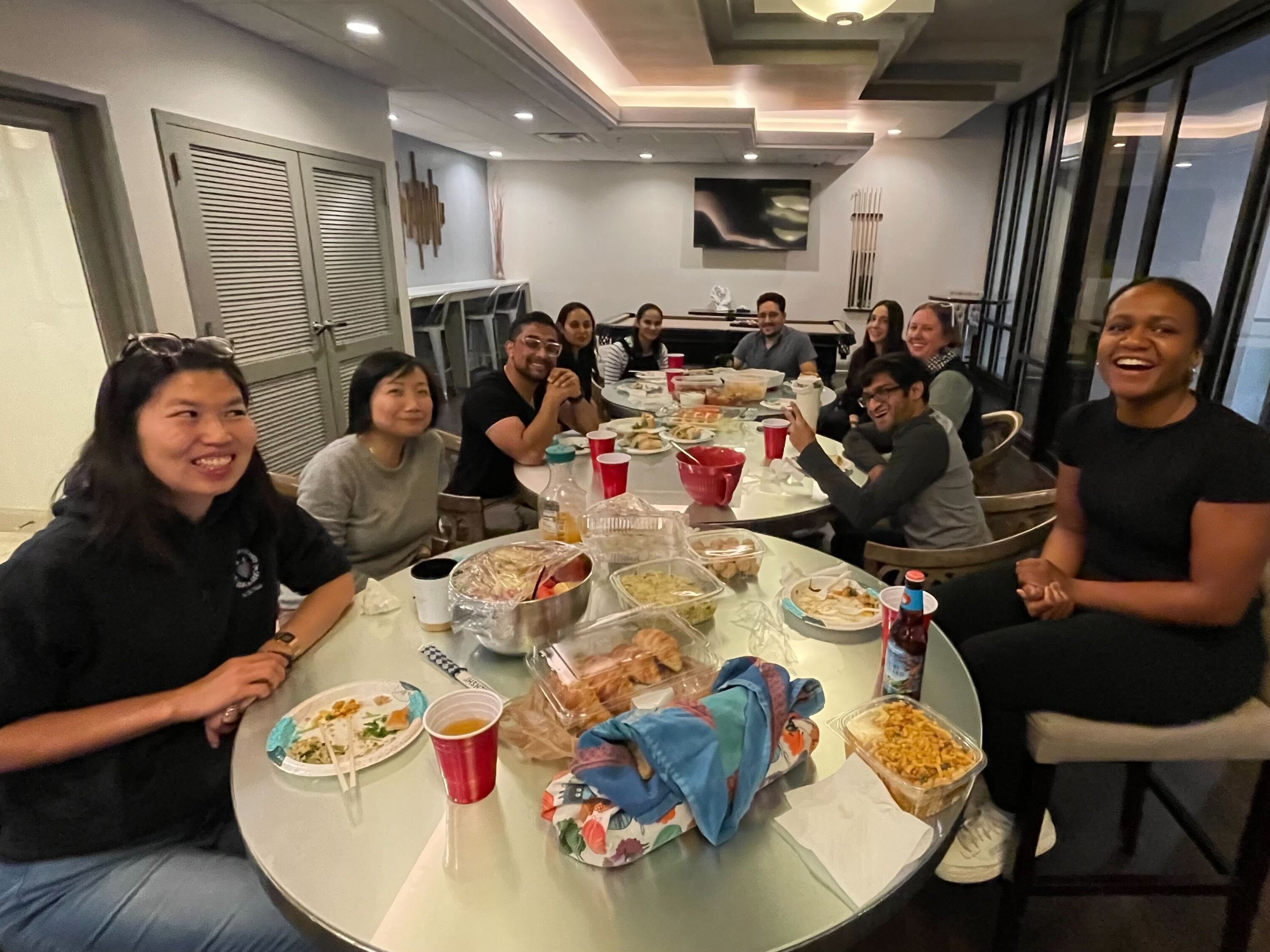
Salt Lake City, Utah
Singapore
Austin, Texas
OMSCS Speaker Series
The new OMSCS speaker series debuted in Fall 2025, featuring three talks from four speakers representing diverse backgrounds and perspectives from across the tech industry. Check out the 2025 speakers below, and visit the OMSCS Speaker Series page for more information on these and future speakers!

Kristen Perez
The Mission is the Boss: Translating Output to Leadership Value and Trust

Birney Robert and Avital Shira
Pathways into Technology Through the Arts
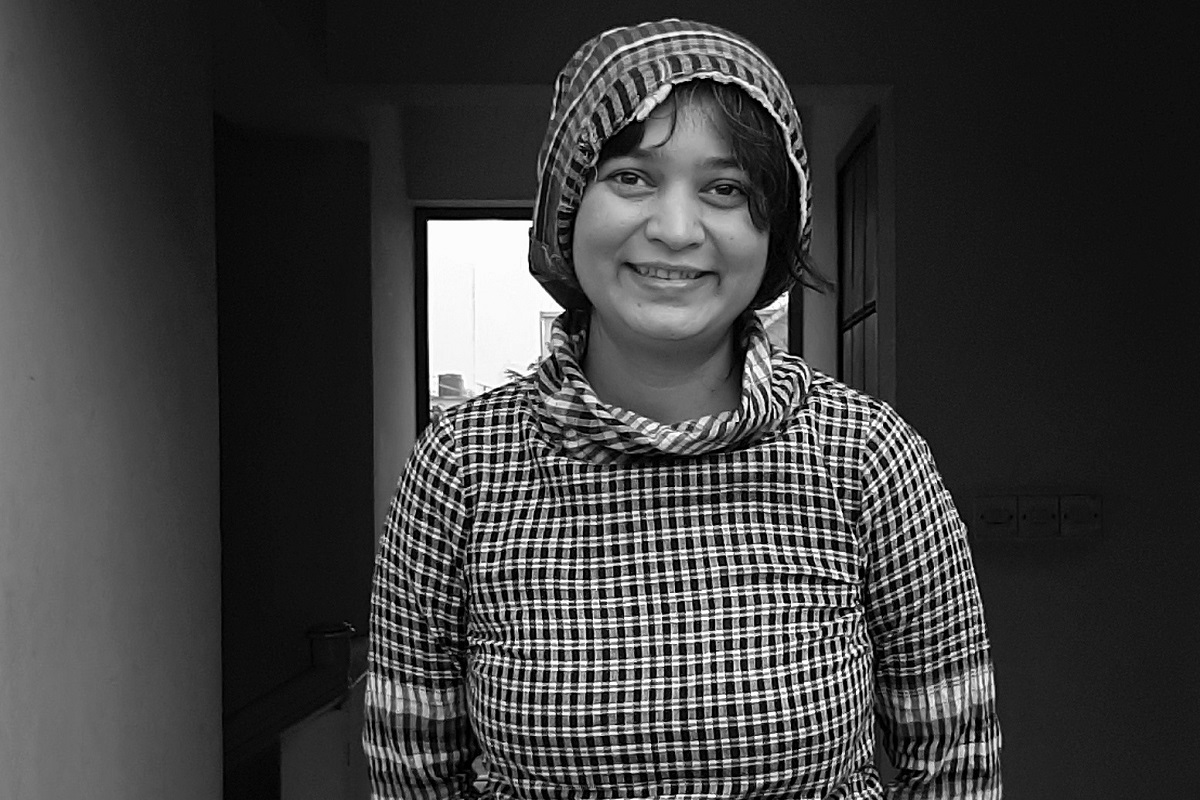
Dr. Nova Ahmed
Connecting Systems to Humans
BuzzCards and Graduation
BuzzCards and graduation are two key components of the Georgia Tech student experience, and in 2025, OMSCS worked to make both of these more accessible to OMSCS students!
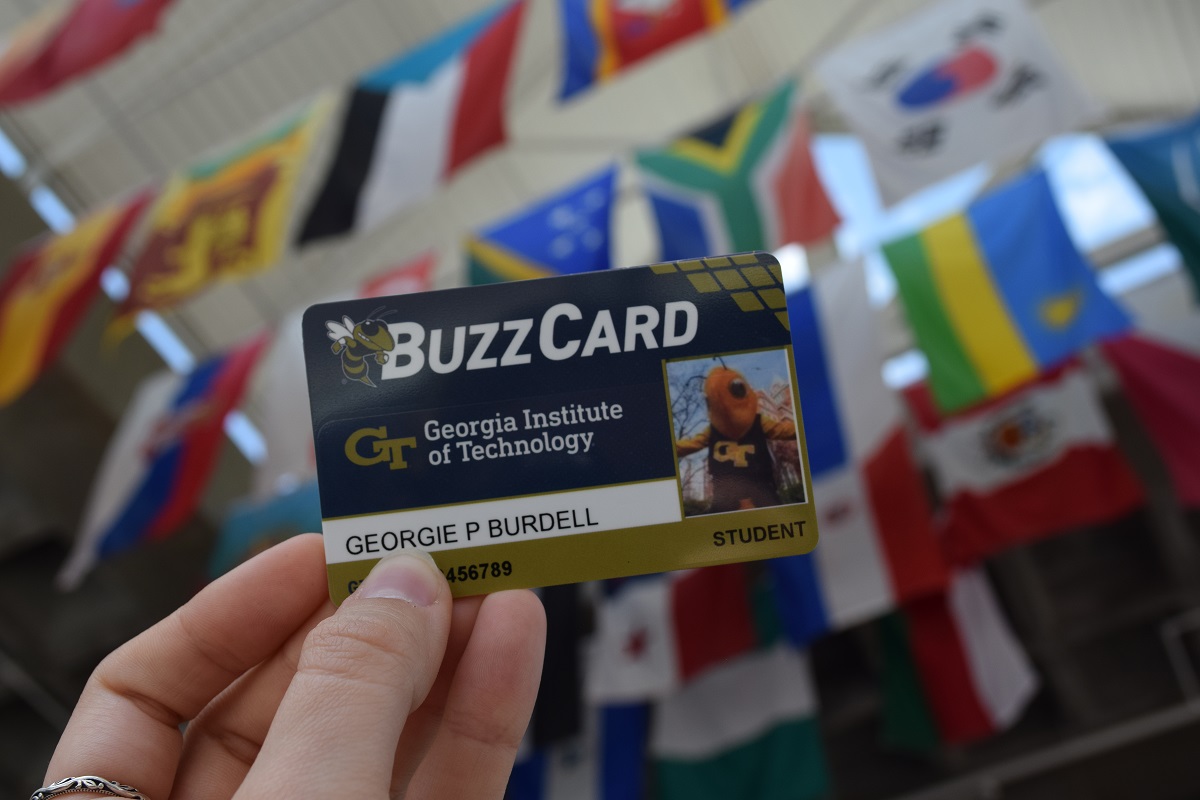
International BuzzCards
For years, the BuzzCard has been an essential part of the Georgia Tech student experience, providing identification, access to campus services, and a tangible connection to the Institute. In alignment with Georgia Tech’s 2024 goal to assess the needs of various student populations and implement changes that enhance holistic success and belonging, the BuzzCard center within the cabinet of Student Engagement and Well-being launched a pilot program to provide BuzzCards to international students enrolled in OMSCS. Click here to learn more about this initiative.
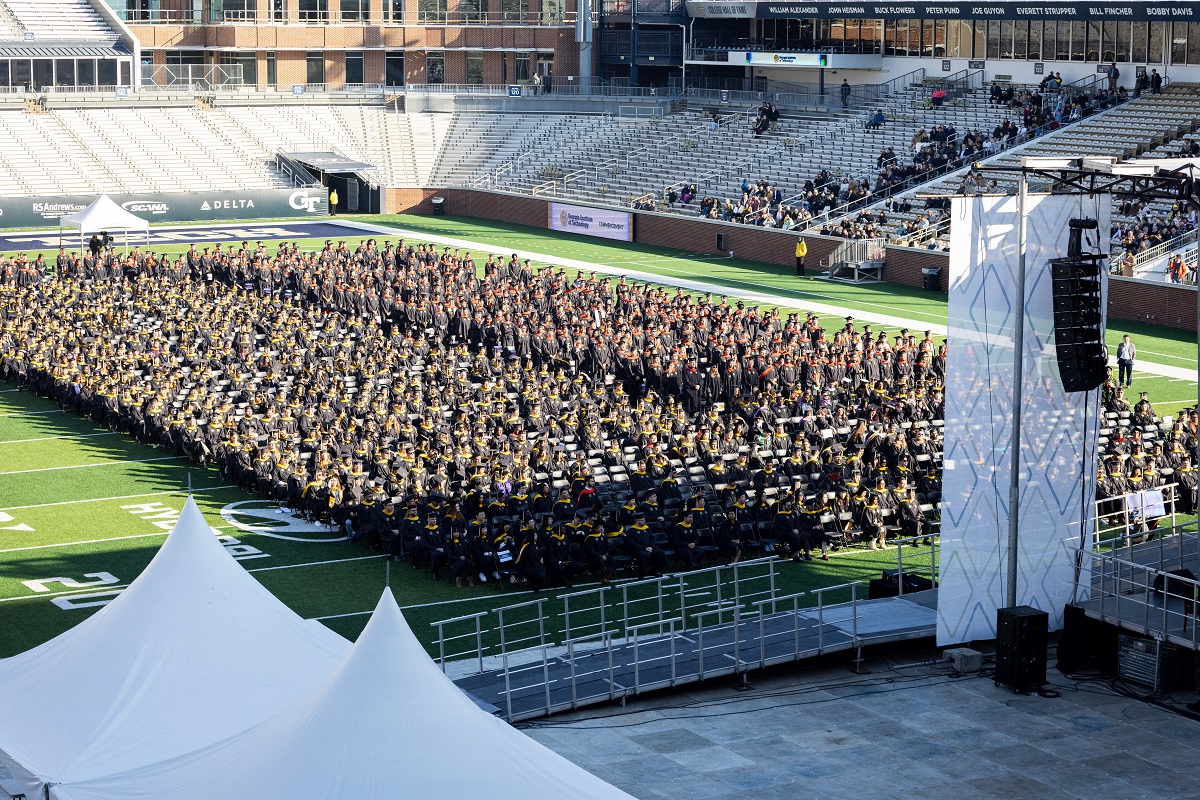
Graduation Info Session
In Fall 2025, OMSCS debuted a brand new Graduation Information Session geared specifically towards graduating OMSCS students who are attending Commencement. The purpose was two-fold: provide important information about Commencement to graduating OMSCS students, and give them an opportunity to ask questions related to attending Commencement. The pilot was a success, so this session will continue to run every Fall and Spring.
(text and background only visible when logged in)

(text and background only visible when logged in)
OMSCS Buzz Podcast
Over 500 followers and over 10,000 streams—2025 was a good year for OMSCS Buzz! Notable guests included prominent OMSCS faculty such as Kishore Ramachandran, Irfan Essa, Jon Duke, David Joyner, Alex Duncan, Hannah Moon, & Ana Rusch, Jay Summet, and Dante Ciolfi, as well as interviews with a diverse group of OMSCS students and alumni. Check out the 2025 year in review below.
(text and background only visible when logged in)

(text and background only visible when logged in)
Research
Research faculty on the OMSCS team publish research regularly. Here are some pertinent publications from 2025.
| The Dual Role of AI in Online Project-Based Learning at Scale | Chaohua Ou & David Joyner ACM Conference on Learning @ Scale (L@S) | This study investigates AI's dual role in online project-based learning at scale, analyzing how students use AI tools and engage in AI-driven projects within a graduate computer science course over six semesters (2023-2024). |
| Unpacking Application Growth in an At-Scale Graduate CS Program | David Joyner & Alex Duncan ACM Conference on Learning @ Scale (L@S) | This analysis charts trends in application growth over the OMSCS program's history and reports the results of a survey sent to the application class of 2024 to better understand their motivations for applying. |
| Assess or Discuss: Comparing Peer Assessment and Online Discussion for Enhancing Learning at Scale | Chaohua Ou & David Joyner ACM Conference on Learning @ Scale (L@S) | This study examines the relative impacts of asynchronous online discussions (AOD) and peer assessment on student learning performance and perceptions in a large OMSCS course (N = 1,451) over five years (Spring 2020--Fall 2024). |
| Profile, Path, Performance: Predictors of Early Program Retention in an At-Scale Graduate Degree | David Joyner, Alex Duncan, & Ana Rusch IEEE Digital Education and MOOCs Conference (DEMOcon) | This paper explores three categories of variables that may help predict OMSCS students’ likelihood to return for a second semester: the profile of incoming students, student class enrollment decisions, and first-semester performance. |
OMSCS students and alumni also publish from time to time! Here are some publications led by people who have graduated from OMSCS or are currently in the program.
| Using Sentiment Analysis to Investigate Peer Feedback by Native and Non-Native English Speakers | Brittney Exline, Melanie Duffin, Brittany Harbison, Chrissa da Gomez, & David Joyner ACM Global Computing Education Conference (CompEd) | This paper examines how native versus non-native English speaker status affects three metrics related to peer feedback experience in online U.S.-based computing courses. |
| Learning at Scale and Back Again: Students’ Perspectives on Using Online At-Scale Curricula for Traditional Instruction | Rhea Basappa, Zoey Anne Beda, Owen Sizemore, Ana Rusch, & David Joyner ACM Conference on Learning @ Scale (L@S) | This research investigates the impact of integrating online at-scale content into more traditional educational environments through two studies examining the learner's perspective. |
| Implementing Enterprise-Wide Lakehouse using Microsoft Azure Databricks and Delta Lake | Mehul Bhuva International Journal of Computer Trends and Technology (IJCTT) | This article presents a practical and scalable approach for implementing an enterprise-wide Lakehouse using Azure Databricks and Delta Lake. |
| Real World Implementation of a RAG-based Chat App Using Microsoft AI Foundry: A Practical Approach to Building Enterprise-Level Conversational AI Solutions | Mehul Bhuva International Journal of Computer & Organization Trends (IJCOT) | This paper presents a detailed examination of implementing a Retrieval Augmented Generation (RAG) based chat application using Microsoft AI Foundry. |
(text and background only visible when logged in)

(text and background only visible when logged in)
Articles
OMSCS students, alumni, faculty, and staff were in the news throughout 2025—check out these articles featuring folks from across the OMSCS community!
| Can AI Teach AI? Georgia Tech and edX Are Testing the Theory | Generative AI is everywhere. It writes code, drafts emails, and generates images. Yet, understanding how it actually works remains out of reach for most people. When edX approached OMSCS Executive Director David Joyner with an idea—what if they piloted an open course about AI using AI itself?—he saw an opportunity to close the gap. |
| Meet David Joyner, the Professor Who Cloned Himself with an AI Avatar Named ‘DAI-vid,’ as Part of an Experiment to ‘Democratize’ Online Learning | OMSCS Executive Director David Joyner talks to Fortune about AI-generated professors. |
| Georgia Tech Master's Students Shoot to Help People with Disabilities in the Job Search with New App | Four OMSCS students—George Gomez, Ariel Magyar, Zachary Patrignani, and Maheer Sayeed—created Interstellar Jobs, an AI-powered "job coach" that helps people with disabilities find accessible, well-matched employment by analyzing user-entered disability information and tailoring job-specific guidance. |
| ‘AI Veganism’: Some People’s Issues with AI Parallel Vegans’ Concerns About Diet | OMSCS Executive Director David Joyner discusses "AI veganism"—the idea that there are similarities in the reasons people choose veganism and the reasons people avoid AI, suggesting that not all AI skeptics will eventually become adopters. |
| LLMs and AI Aren't the Same. Everything You Should Know About What's Behind Chatbots | OMSCS instructor Mark Riedl explains LLMs and what they have to do with AI. |
| Honoring a Pioneer: Zvi Galil on Algorithms, Academia, and Columbia Roots | At this year’s University Commencement, Columbia Engineering Dean Emeritus Zvi Galil, who was a driving force behind the creation of OMSCS, will be presented with an honorary degree. |
| Google Is Training AI to Speak Dolphin | OMSCS instructor Thad Starner has been collaborating with the Wild Dolphin Project for more than a decade to understand behavior and communication in the open ocean. In this Scientific American article, Starner shares how Google is developing a new large language model that may help humans to communicate with dolphins. |
| How a Master’s Degree in Computer Science Can Affect Job Prospects | David Joyner, Executive Director of OMSCS, offers job-seeking advice for computer science master's graduates and discusses the increase in AI-related jobs. |
| Education reimagined: AI-powered textbooks for smarter learning | OMSCS instructor Ashok Goel contributed to a study—"The Textbook of Tomorrow: Rethinking Course Material Interfacing in the Era of GPT", published in the Proceedings of Machine Learning Research—that explores how embedding AI-powered virtual teaching assistants (VTAs) into digital textbooks can enhance learning experiences. |
| How to use AI to be more productive and successful at work | OMSCS instructor Mark Riedl is teaching a new online course offered through Smarter by CNBC titled "How to Use AI to Be More Successful at Work". The course is designed to help people understand new AI tools and how they can use them to save time at work, in business, and in life. |
(text and background only visible when logged in)

(text and background only visible when logged in)
New OMSCS Team Members
Image
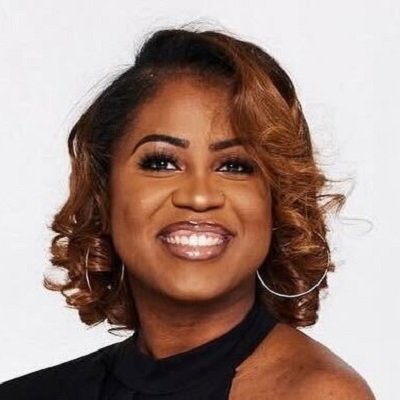
| Danny Storey Program Support Coordinator Danny Storey is the Program Support Coordinator for the OMSCS program. She is a proud Georgia State University Panther, where she earned a Bachelor of Interdisciplinary Studies in Human Learning and Development, followed by a Master of Science in Instructional Design and Technology. Since 2017, Danny has worked in higher education, taking on various roles including administrative support for faculty and students, academic advisor, and recruiter for undergraduate teaching assistants. In her free time, Danny enjoys spending time with her family and watching football. She is a huge fan of the Atlanta Falcons! "Go Falcons!" |
Image
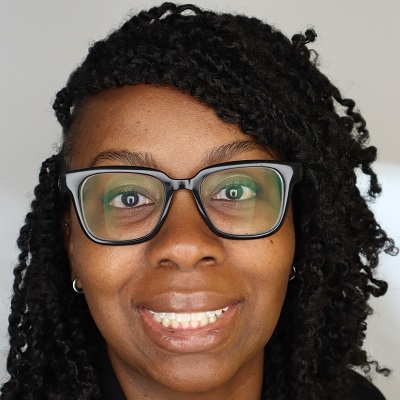
| Camille Stringer Academic Advisor II Camille is an Academic Advisor for the OMSCS program. She is an experienced advisor with over a decade in higher education, dedicated to supporting student success and personal growth. She received her M.S. in Professional Leadership and is currently pursuing her second M.S. in Public Relations. Known for her thoughtful and individualized advising style, Camille draws inspiration from her love of reading and gardening. Her work is rooted in deep commitment to both academic and personal development. |