
Faculty Perspectives on Building Research Communities Online
Monday, May 11, 1:10-2:20 p.m.
Room 236
Modality: Panel Discussion
Room 236
Modality: Panel Discussion
Abstract
Faculty mentors share practices for online mentorship, including measuring outcomes, building authentic remote connections, managing workload, ensuring equitable access, and navigating cross-cultural dynamics with working professionals. This panel will appeal to OMSCS students exploring research opportunities, faculty considering mentorship roles, and anyone interested in effective online collaboration practices. Attendees will gain practical strategies for effective online mentorship from diverse faculty perspectives. Anticipated topics include:
- How does mentoring students online differ from mentoring students in-person? What surprised you most about online mentorship compared to your initial expectations?
- In large online research communities, what intentional norms, habits, roles, or automations help participants get to know one another and establish a collaborative environment that drives synergy and shared research outcomes? What norms or structures have you found essential for keeping the online research community productive?
- What strategies, tactics, or structures help sustain meaningful engagement in virtual research communities over time, especially across disciplines and institutions? What's the hardest part about sustaining engagement in an online research community beyond the first few weeks? What signals indicate an online mentorship relationship is working versus struggling?
- What practice have you adopted that improved accessibility for students across time zones and technical backgrounds?
- How do you make research community participation feel worthwhile?
Panelist: Steve Mussmann
Image
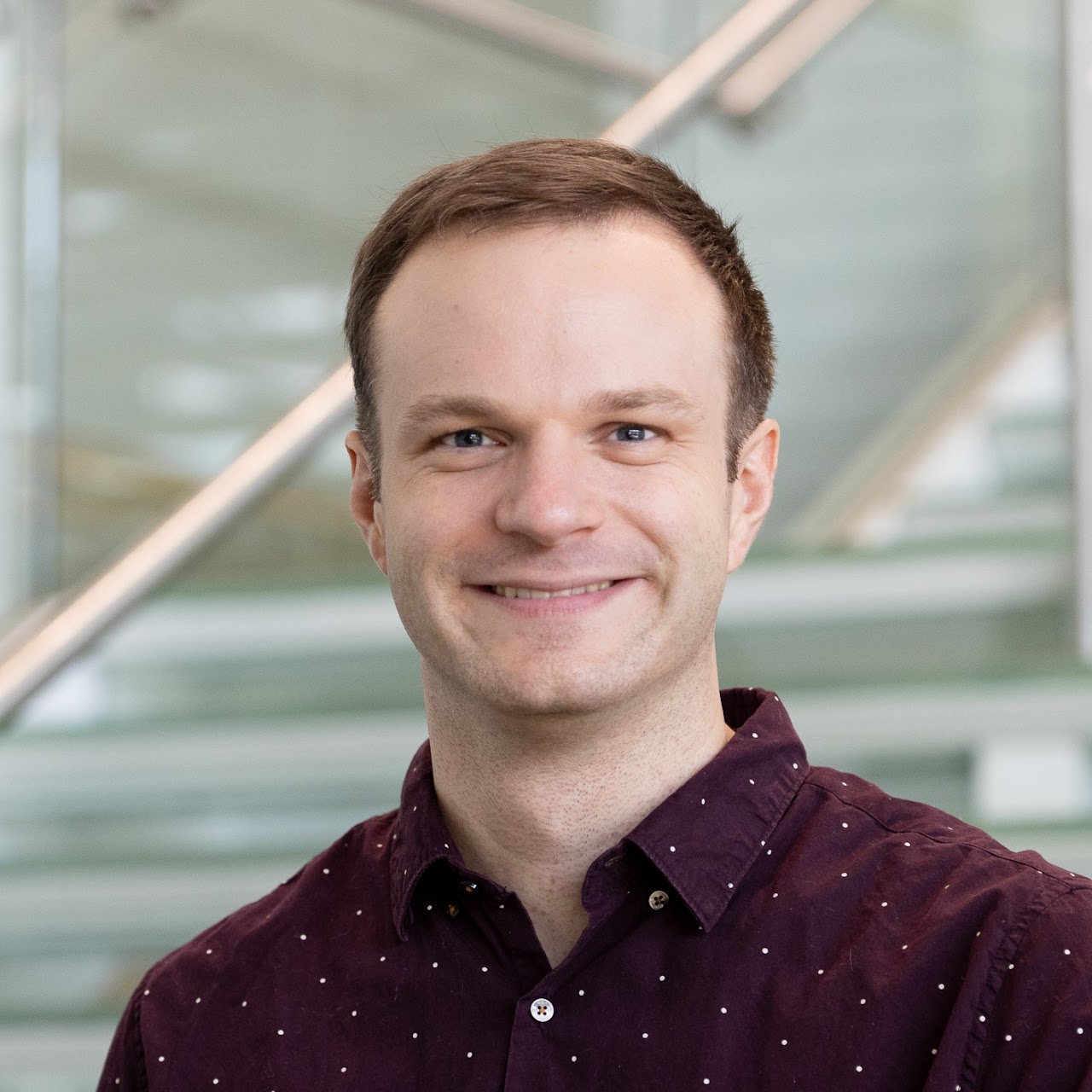
| Steve Mussmann is an Assistant Professor in the School of Computer Science at Georgia Tech. His research focuses on data-centric machine learning, emphasizing the often-overlooked aspects of data such as sourcing, annotation, and validation, which critically impact the reliability and usability of ML systems. Prior to starting at Georgia Tech in Fall 2024, Steve spent a year as a machine learning researcher at Coactive AI and two years as a postdoc at the University of Washington with Kevin Jamieson and Ludwig Schmidt. Steve graduated with a PhD in computer science from Stanford University in 2021, advised by Percy Liang, and a BS in math, statistics, and computer science from Purdue University in 2015. |
Panelist: Dr. Stephanie Selvick
Image
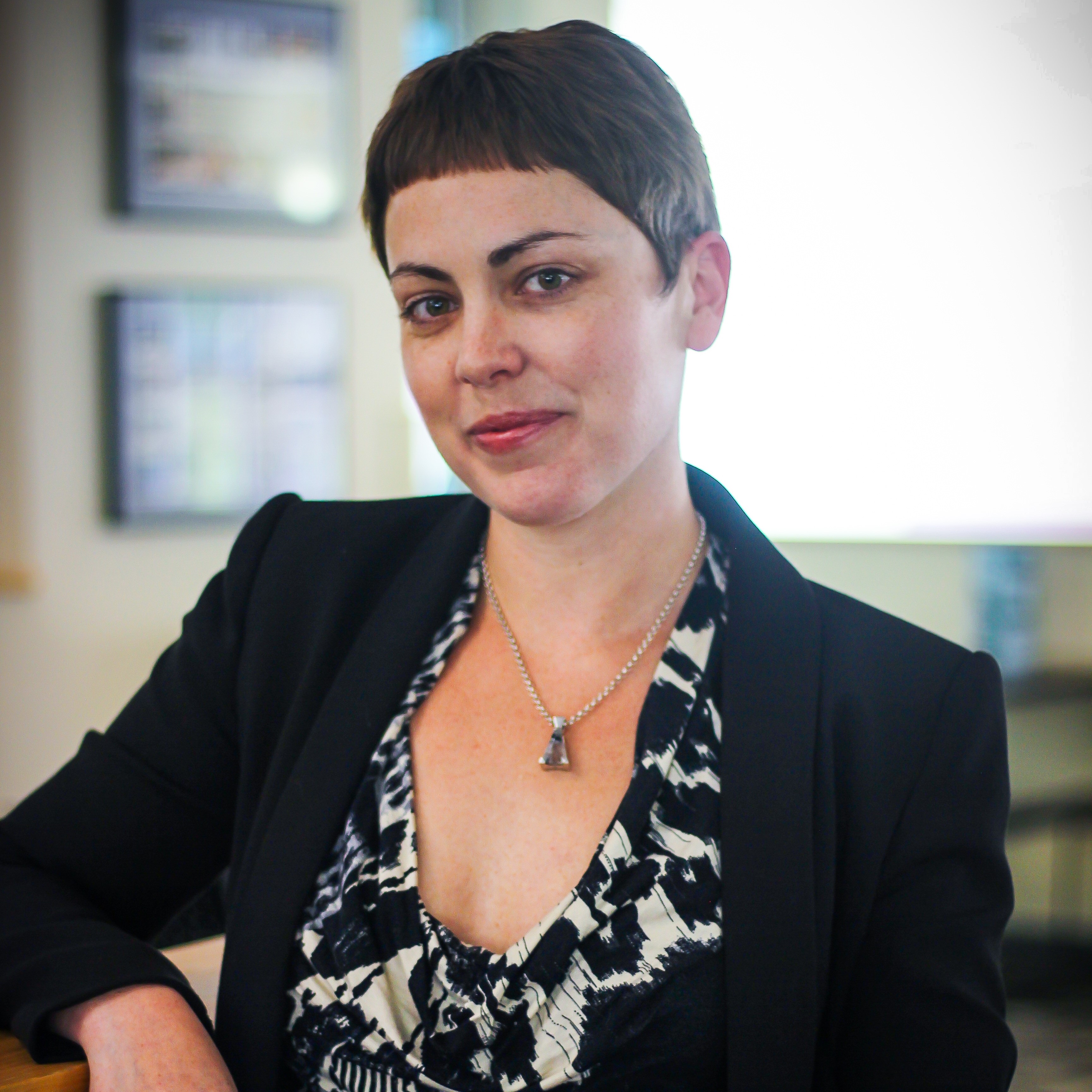
| Dr. Stephanie Selvick serves as an Assistant Director of Belonging & Student Support, where they design and lead interdisciplinary, co-curricular graduate student engagement initiatives. A PhD-trained scholar at the intersection of English, Global Studies, and Women’s and Gender Studies, they ground their work in public humanities and inclusive program design, centering accessible, community-based learning and participatory research methods. Across higher education and nonprofit contexts, Dr. Selvick explores how digital and hybrid spaces can drive and expand community engagement and support collaborative knowledge production. |
Panelist: Michael Weiner
Image
| Michael Weiner is a Senior Research Scientist and the Lead Research Computing Facilitator at PACE, where he works with researchers and educators to enable their use of advanced computing through training, user support, and more, including for courses on Georgia Tech’s instructional cluster. Michael is past Chair (2023-2025) of Campus Champions, a national organization of research computing professionals, and Co-Chair of the Workforce Development Interest Group in the Campus Research Computing Consortium. He is co-PI of an NSF NAIRR grant to support AI research facilitation through the Campus Champions. Prior to joining PACE, he completed his Ph.D. in physics at Cornell, focusing on computational biophysics enabled by supercomputers. |
Panelist: Jeff Young
Image
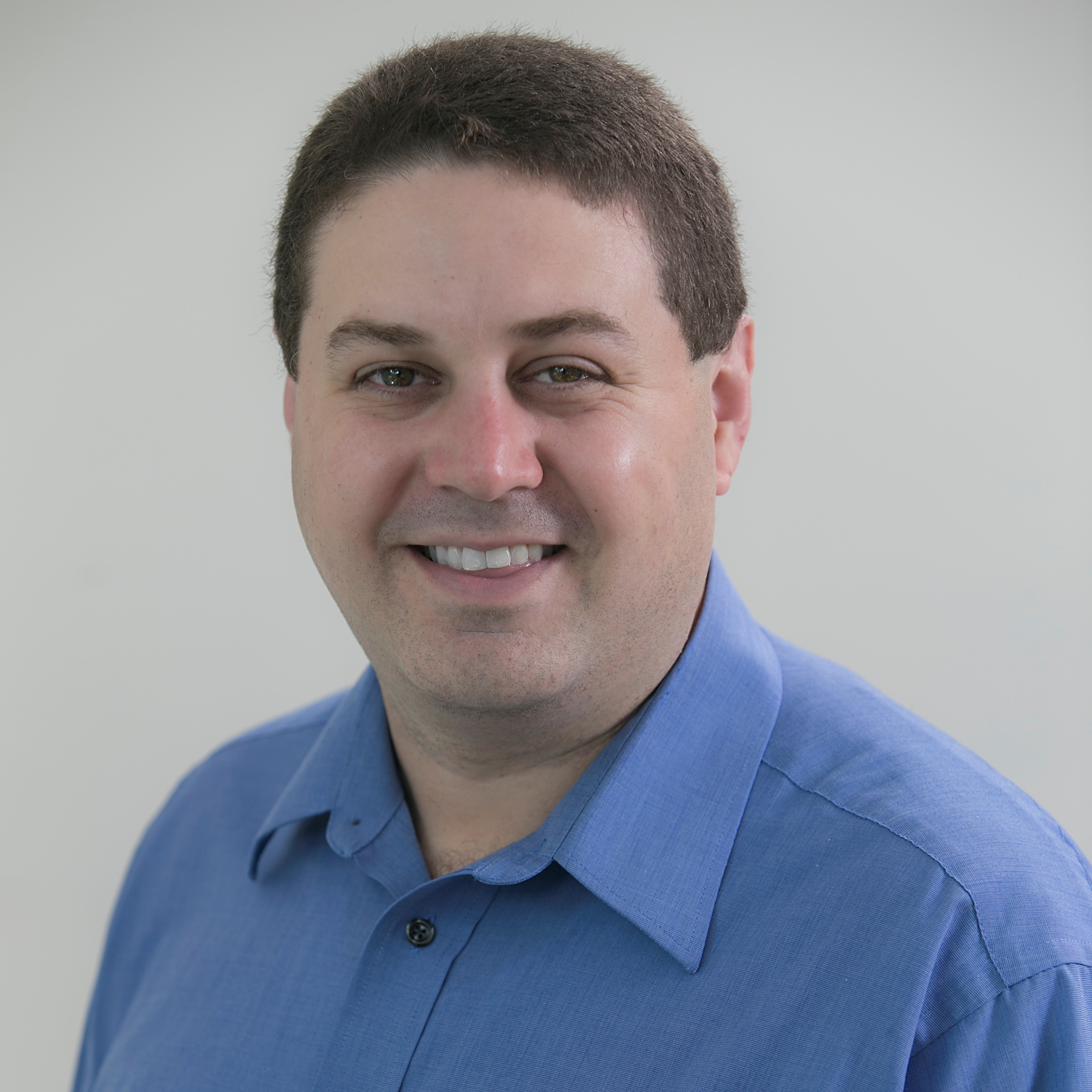
| Jeffrey Young is a principal research scientist at the Georgia Institute of Technology, working with the Partnership for an Advanced Computing Environment (PACE) as their Associate Director for Computing Innovation. With a background in computer architecture, his main research interests have focused on the intersection of high-performance computing and novel architectures. Young is co-director of the Center for Scientific Software Engineering, and director of Georgia Tech’s Open Source Program Office. He received his PhD in computer engineering in 2013 from Georgia Tech’s ECE department. |
Moderator: Breanna Shi
Image

| Breanna Shi is a Bioinformatics PhD graduate studying Bioinformatics with Minors in Machine Learning and Higher education. She holds many prestigious awards such as the following: The GEM Ph.D Engineering and Science Fellowship Issued by The National GEM Consortium, STEM Diversity PhD Fellowship Issued by Graduate Fellowships for STEM Diversity, GAANN Biology Fellowship Issued by U.S. Department of Education. Before becoming a PhD student at Georgia Tech, Bree earned her master’s in Mathematics from University of Minnesota where she earned Diversity of Views and Experiences Fellowship and her Mathematics BS degree at Stetson University. |
Program
Check out the Program page for the full program!
Questions About the Conference?
Check out our FAQ page for answers and contact information!